A more direct way of planting a rare species is being trialled as an innovative way to increase biodiversity in our grasslands.
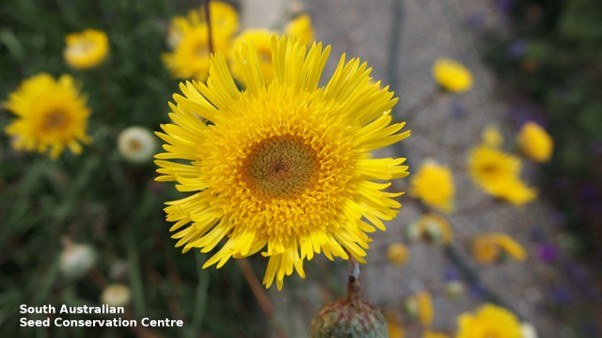
A partnership between Green Adelaide, City of Playford and Avenues College is helping bring the native, rare showy copper-wire daisy (Podolepis jaceoides) back to its grassland ecosystem.
What is a grassland?
Native grasslands are open, sunny ecosystems dominated by native grasses. Grasslands have very few trees or shrubs. While they might look simple at first glance, these landscapes are incredibly diverse.
Healthy grasslands can support more than 150 different plant species, alongside a range of insects and animals.
Gaps between grass tussocks allow forbs (broadleaf or flowering plants), such as daisies, to grow.
Before European settlement, grasslands covered large areas of the Adelaide Plains. Today, however, less than 1% of grasslands remain. This dramatic loss means animals that rely on grasslands are becoming threatened. Restoring grasslands has become a critical conservation priority.
What is a showy copper-wire daisy?
The showy copper-wire daisy (Podolepis jaceoides) is a striking native wildflower known for its bright yellow, daisy-like blooms and distinctive wiry stems.
It’s a perennial herb that grows to around 30 to 80 cm tall and thrives in full sun across grasslands and grassy woodlands.
This species provides important habitat and food for native insects, including pollinators.
The showy copper-wire daisy has become rare in parts of its range across southern Australia as native grasslands and grassy woodlands have declined.
What is the SEEDS program?
The SEEDS (Stewardship of Endangered Endemic Species) program is a long-running initiative connecting schools with conservation. Through the program, school students become stewards for threatened plant species, learning how to propagate (i.e. get the plant to grow from seed) and care for them.
Participating schools are given seeds and are supported to grow plants, with the long-term goal of returning species to their natural range.
The program is a partnership between Green Adelaide, the SA Seed Conservation Centre and schools across metropolitan Adelaide, creating hands-on learning opportunities while contributing to conservation outcomes.
How was Avenues College involved?
Thanks to Avenues College, the showy copper-wire daisy has been grown successfully through the SEEDS program. This time last year, students helped grow seedlings that were then planted back into the ground.
Since then, the school has been able to collect a substantial volume of seed from these plants, providing a unique opportunity to trial a new approach for restoring this important species.
That new method is called direct seeding.
Instead of planting seedlings, the hope is that seeds can be sown straight into the soil. If successful, this could provide a cost‑effective way of introducing this rare species back into the environment at scale.
How does direct seeding work?
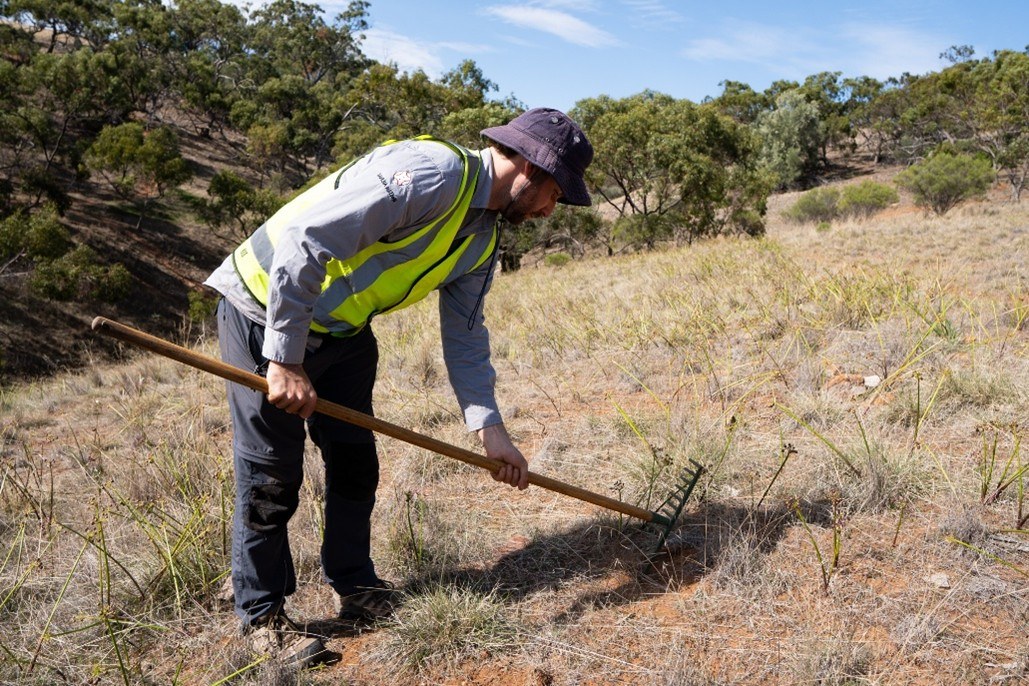
Direct seeding begins with preparing the soil. Small scrapes or disturbances are made in the ground, creating tiny divots where seeds can settle.
Seeds are then scattered across the surface, and the soil is lightly worked to partially cover them. This helps protect the seeds and improves the chances of germination.
This direct seeding method is simple but powerful. It could be a highly cost‑efficient way to restore biodiversity in grasslands and grassy woodlands, especially when working across larger areas.
So – how are the showy copper-wire daisies going?
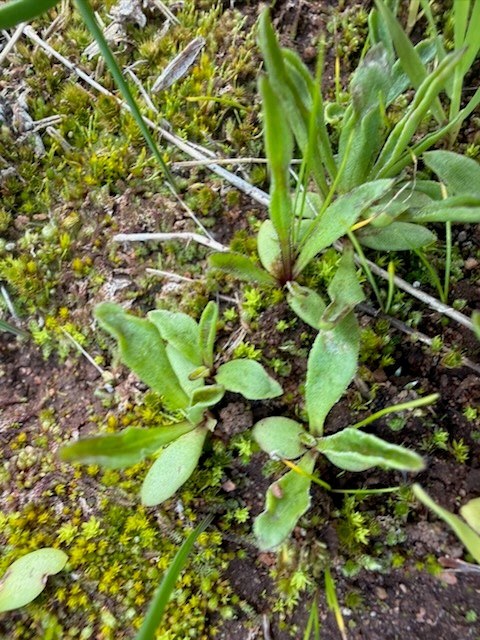
After some winter rains, the trial site has been revisited with the hope of seeing a flush of young daisies emerging.
And, as hoped for, small seedlings are starting to pop up – suggesting that there could be merit in the direct seeding method.
Looking ahead
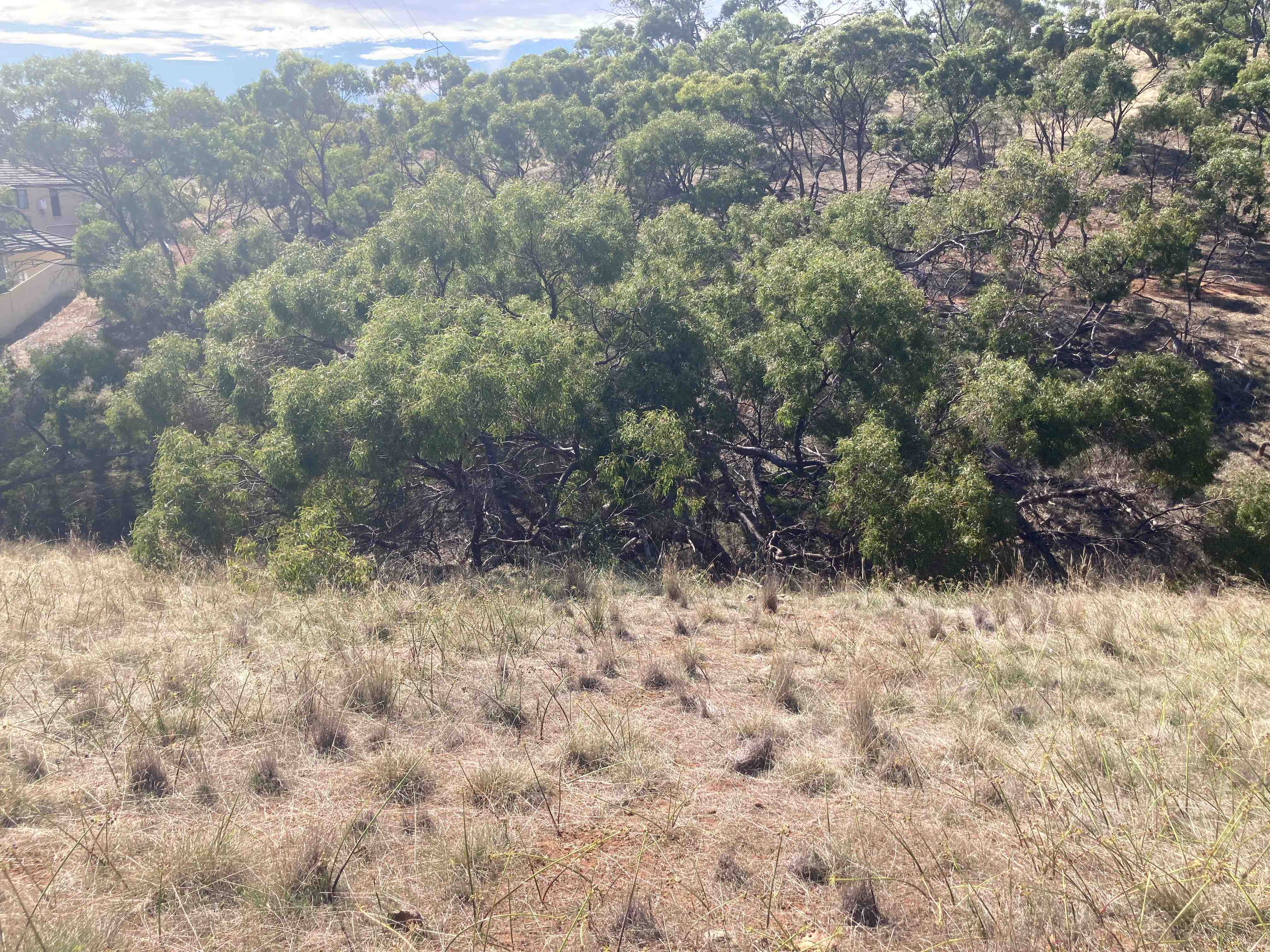
This trial, delivered in partnership with the City of Playford biodiversity team, is an exciting step toward improving restoration techniques for native grasslands.
Projects like this are helping to secure a future for rare species such as the showy copper-wire daisy, and the unique ecosystems it calls home.