Ever heard of a native grassland? If not, you’re not alone, and that’s part of the problem. This type of vegetation community once covered a huge area around Adelaide, but today, only around 1% of grasslands remain.
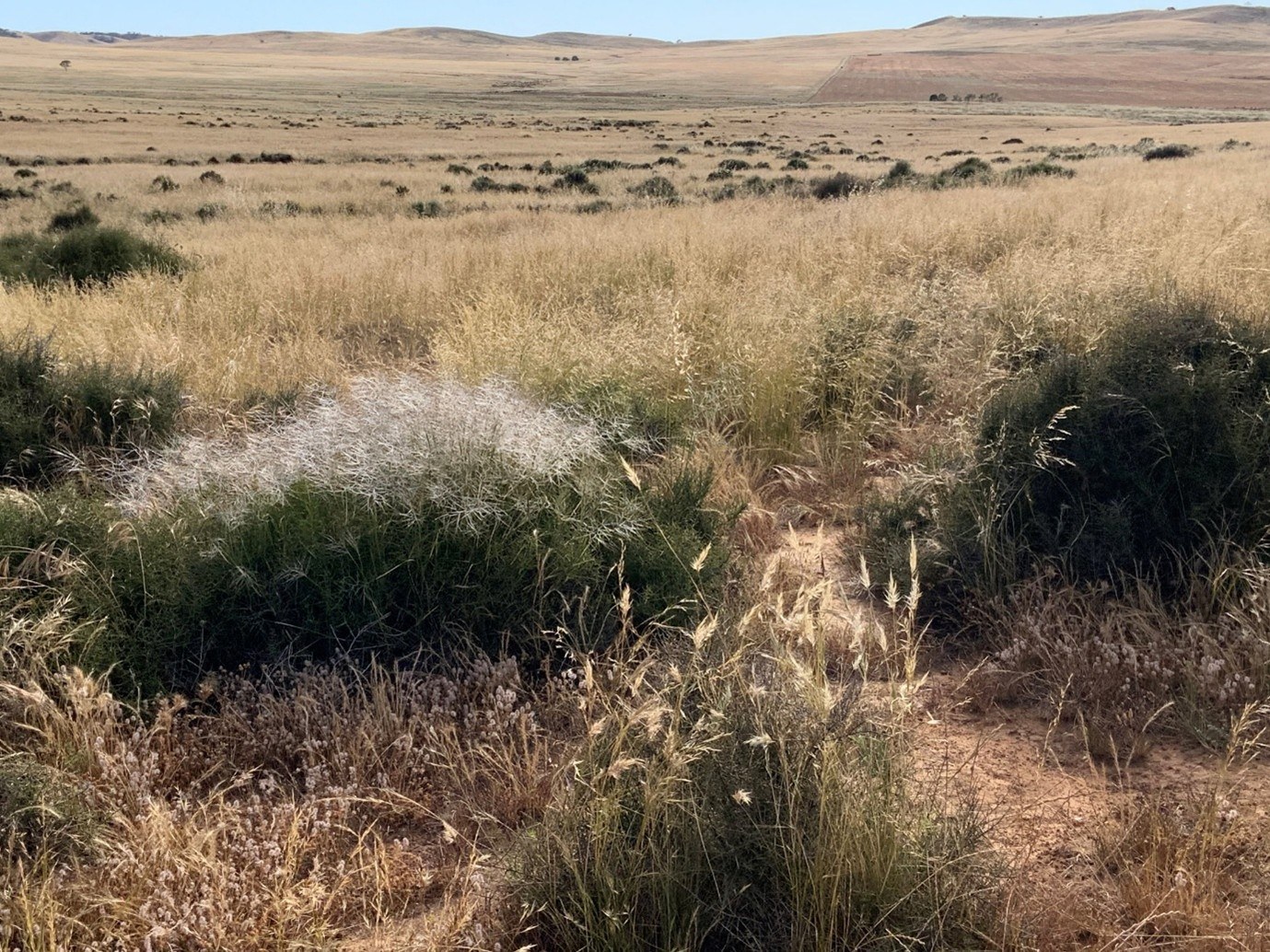
Before colonisation, some of the greater Adelaide area you now know as the ‘burbs would have been made up of a particular type of vegetation community – a native grassland (also called a Tussock grassland).
This vegetation community (a.k.a a group of plants that grow together under the same environmental conditions), is open and sunny and provides specific habitat for species that avoid areas with lots of trees, shrubs or shade.
Low open and entirely treeless vegetation communities have faced many unique threats and challenges – and in turn, so have the critters that call them home.
Discover more about native grasslands in Adelaide, and how you can help protect them.
What is a native grassland?
Native grasslands are a type of vegetation community made up of mostly, you guessed it, native grasses! Check out this video to learn more and see for yourself.
Healthy grasslands usually include other native plants such as herbs and some also contain a variety of small shrubs. Good quality grasslands can have over 150 different plant species in them!
Just because they have mostly native grasses, don’t be fooled into thinking they are like empty paddocks. These plant communities are rich in life and structure, and the variety of plants on show can change dramatically by season. Native grasslands are defined by their tallest layer of vegetation being, well, grass. Occasionally areas with really low densities of trees or shrubs may still be considered as grassland, however, they generally comprise less than 5% of the space. This is handy to remember as some grasslands can have a number of really sparsely scattered trees.
Historically, native grasslands were often cleared for crops, grazing animals and farming. Remnant patches often retain lots of their former species diversity but it is easy for these areas to be overlooked as just “open space”. Because native grasslands don’t seem as visually striking as a forest for example, this type of community is one that has become the most poorly conserved in many areas where they once occurred – and knowledge and understanding of grasslands conservation is poor.
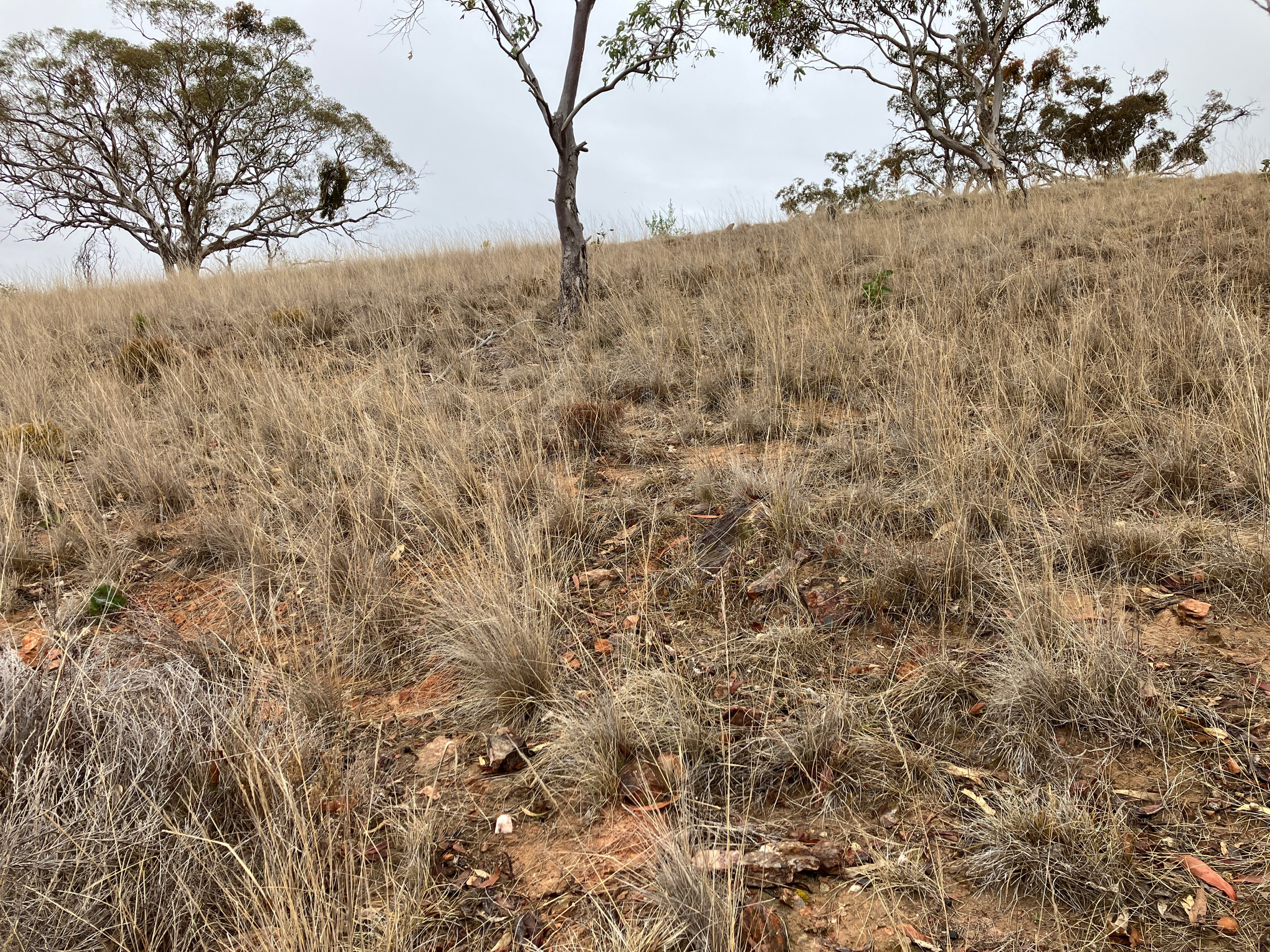
So, how do I know if I am looking at a native grassland?
It can be tricky! Native grasses can look weedy to the untrained eye, and many grasslands have been degraded over time. But here are a few clues:
- You’ll typically see one or multiple species of native grasses, which often are perennial (meaning they live for multiple years) and form clumps or little tussocks.
- Less degraded grasslands may have a range of wildflowers that may emerge at different times of the year (but particularly in spring).
What sort of management does a native grassland need?
For grasslands to stay healthy many can actually benefit from some disturbance, such as fire, grazing (from our native wildlife, or stock, as long as the timing is right and the site isn’t over grazed). Without this disturbance, grasslands can become too dense, where the space between tussocks gets filled with plant material. This extra ground cover prevents many grass and herb species from regenerating, and they can lose their diversity. The open space between tussocks is also important for many of the species that live in grassland environments.
If you are lucky enough to have a grassland on your property, it can be important to maintain your management style and then endeavor to find out what species it is already supporting!
Why do native grasslands matter?
While these plant communities might look simple, they have quite diverse native plants, which are important for a number of different species which call grasslands home.
Native grasslands provide vital habitat for:
- reptiles and sun-loving species that need open and warm spaces to bask
- birds that prefer treeless areas, such as many quail species or the plains-wanderer (sadly no longer found in the Adelaide area)
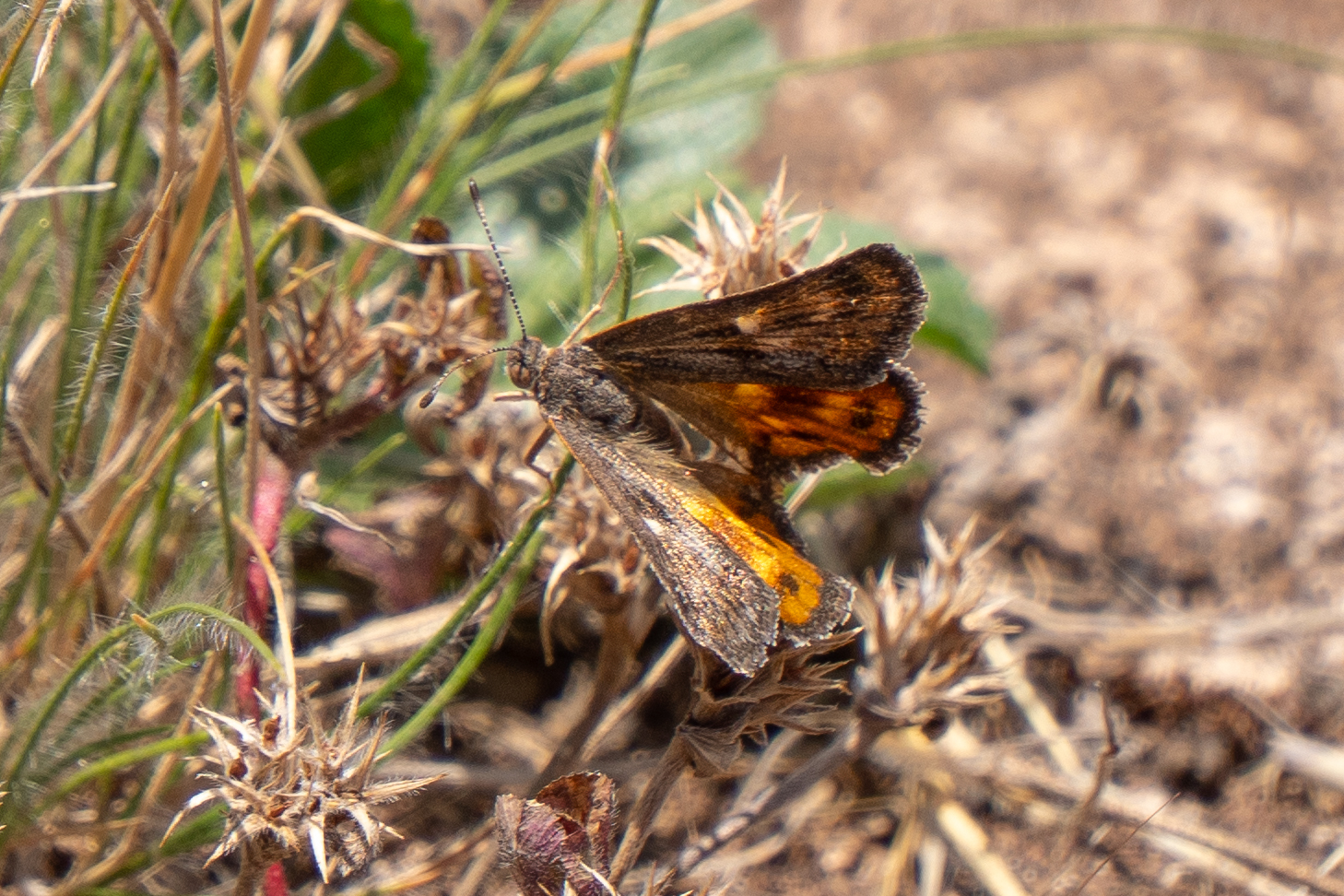
- a whole range of insects that love sunny grasslands
- rare species, such as the cryptic sun-moth, Flinders Ranges worm-lizard and pygmy bluetongue lizard.
They’re also important for preserving the unique diversity of plants around Adelaide.
What are the threats?
Unfortunately, native grasslands face a long list of threats that impact on their plant diversity and important low and open structure:
- planting of trees and shrubs
- invasive weeds
- urban development
- misidentification (native grasses mistaken for weeds and sprayed)
- inappropriate soil disturbance
The general lack of awareness about our native grasslands and their management needs means that threats remain largely undetected.
Wait – so does this mean we don’t want trees?
Just to be clear – we love trees! We have a whole blog on why you should protect mature trees, plus one of our flagship projects is our Urban Greening Strategy, metropolitan Adelaide’s first practical roadmap for increasing tree canopy cover and boosting biodiversity.
But, it is about having trees in the right places. In our cities, lining suburban streets, and even in our own backyards, trees play a critical role in cooling our city, providing habitat, and can even improve our own health and wellbeing.
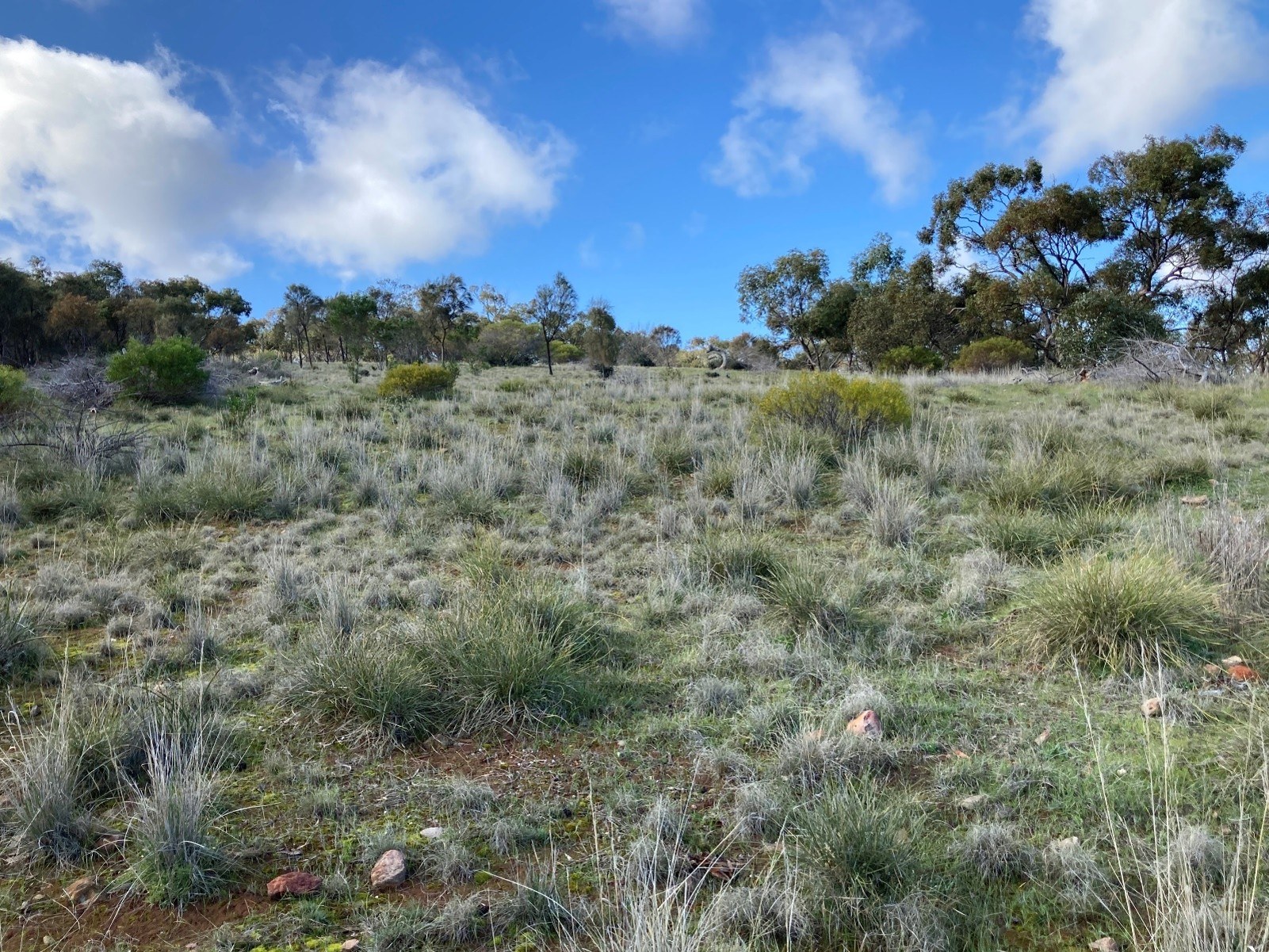
But in native grasslands, and even in our open grassy woodlands, the addition of trees can impact on the open sunny space that many of our lower growing species grasses and herbs depend.
What can you do to help?
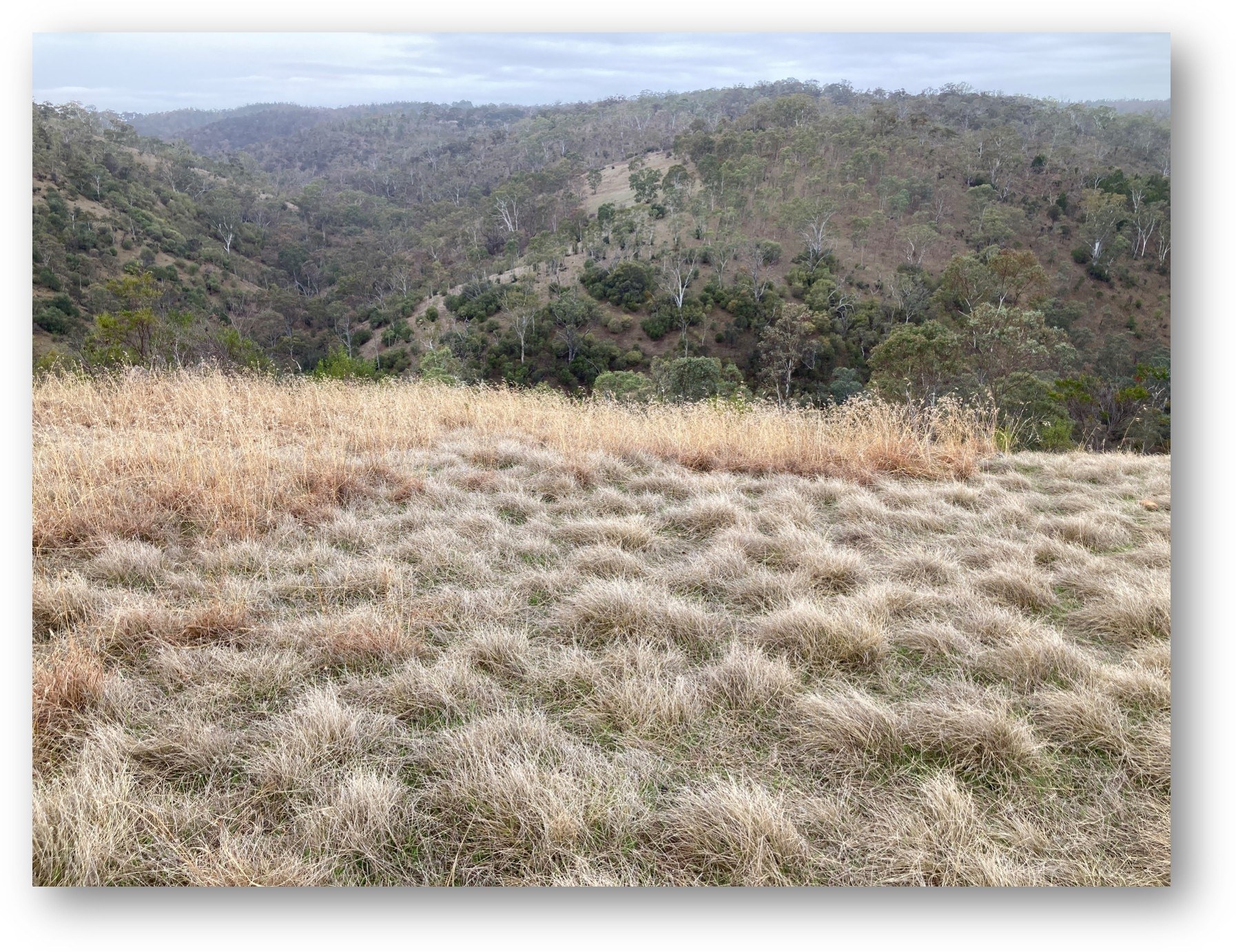
Here are a few ways you can be a guardian for our native grasslands:
- Learn about grassland habitats in your area. You could even try to identify native grasses and some of the small grassland herbs (Checkout our guide to native grass ID or use the free iNaturalist app to help you identify species).
- Avoid impacting negatively on remnant native grassland communities by not driving on them, even if they do look clear of obstacles!
- Be mindful of where and what you plant. Trees are great, but we don’t want to degrade grassland habitats that are meant to have a low and open structure.
- If you are lucky to have remnant grassland in your area, learn about all the different species in your open areas before you change the way they are managed, you may just have some really important native grassland species hiding in there!
Remember, native grasslands aren’t as well-known as some other plant communities, but they’re just as important.
Want to know more? Check out the webinar by Green Adelaide’s own Landscape Officer, Dr Julie Schofield.
Want to visit a native grassland?
Checkout these areas:
- Parra Wirra Conservation Park
- Whitford Bushland Reserve, Hillbank
- Wadmore Park, Athlestone
- Shepherds Hill Recreation Park
- Marino Conservation Park