Rubbish in the river doesn’t just look bad — it harms water quality and local wildlife. So, what’s being done about it? And how can you help? Read on to find out.

The River Torrens / Karrawirra Pari is a big deal — not just for us Adelaidians who walk, ride and relax along its banks, but also for the local plants and animals that call it home. So, it’s no surprise it’s had a lot of attention over the years to help manage rubbish and keep it looking (and functioning) its best.
After heavy rain which we’re starting to get a lot of, you might notice the river looking a little murky or messy. That’s because stormwater — rain that runs off roofs, roads, and driveways — flows through drains and ends up in our creeks, rivers, and eventually the sea. While that helps stop flooding in our suburbs, it also means rubbish and other pollutants can get swept straight into the river.
Luckily, local councils and awesome volunteer groups regularly roll up their sleeves to clean up.
So, what’s being done to stop rubbish getting into the River Torrens?
Plenty! There’s a lot happening behind the scenes to reduce litter and pollution.
Here’s a look at the 3 ways we help care for the river:

Litter traps along and near the Torrens
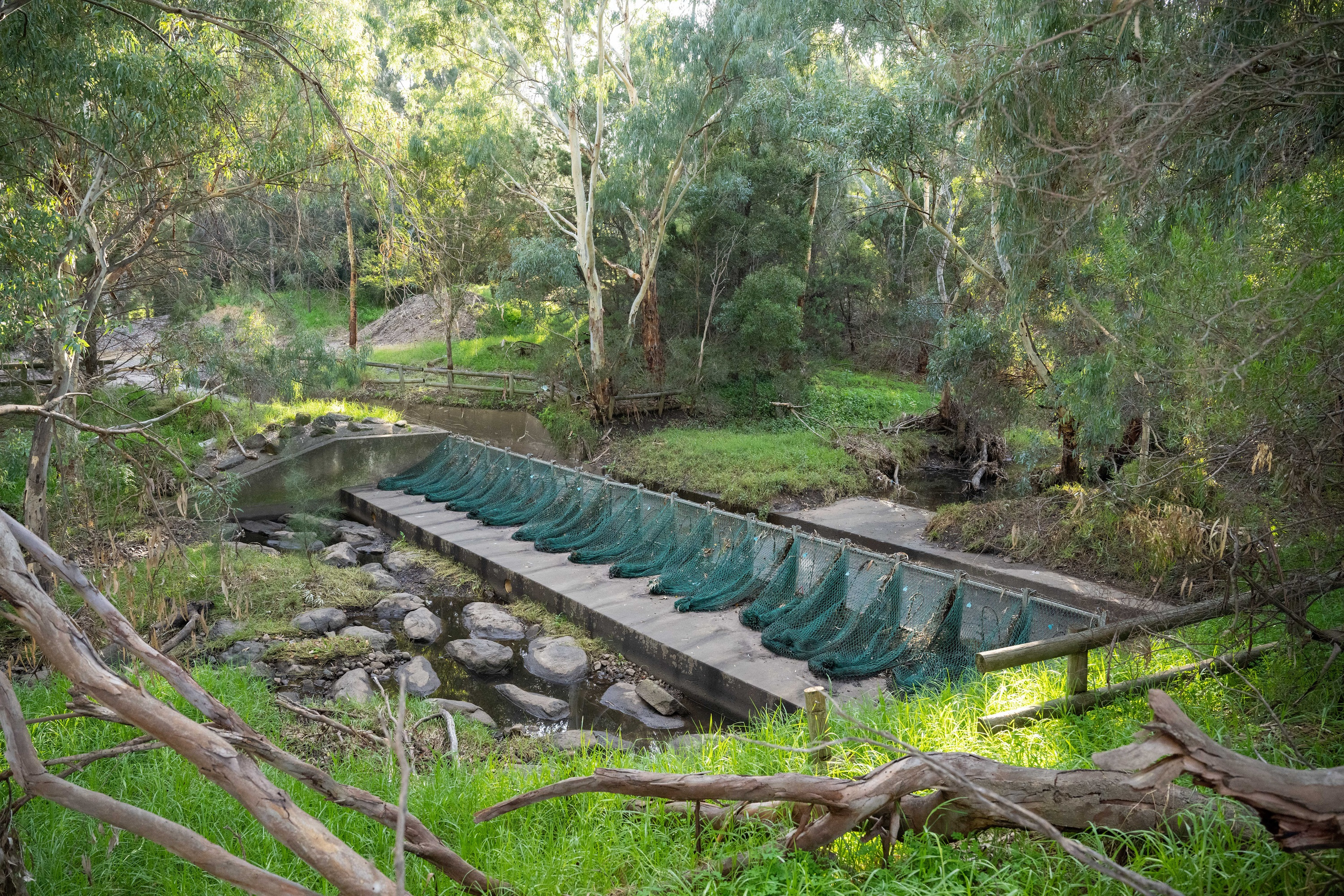
We manage 6 gross pollutant traps, known as ‘litter traps’ or ‘trash racks’. These structures can be seen along the Torrens and connected creeks that feed into it They have nets that trap rubbish for regular removal and disposal out of the river system.
You can easily see the traps at First Creek at the Botanic Gardens in the city and across Fourth Creek in Felixstow.
2. Floating boom along the Torrens
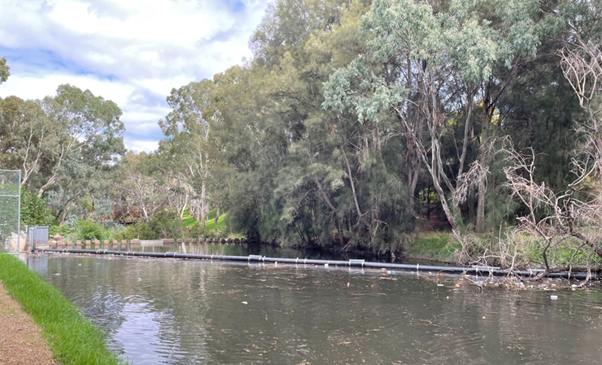
There are a few ‘floating booms’ installed over waterways across Adelaide, one managed by us, but you may see others owned and maintained by your local council.
These structures are like a bendy boom gate suspended on water, that collect floating rubbish and direct it to a collection point on the river’s bank.
3. Weed removal and revegetation
To boost the health of the River Torrens / Karrawirra Pari, we’ve teamed up with local councils, government agencies, and the community on a range of projects over the past 20 years — not just along the river itself, but also across the broader catchment that feeds into it.
Take our River Torrens Recovery Project, for example, which has been going for twelve years now. More than a million dollars has gone into removing weeds, while also revegetating the riverbanks with native plants. It’s a long-term, collaborative effort that’s still going strong.
Ongoing weed removal and native revegetation help improve habitat, stabilise the banks, and naturally filter the water — all great signs of a healthier river.
And a quick heads up: if you spot more woody debris and dense vegetation in and around the river, that’s not a bad thing! It might look a little messier, but it actually points to a more natural, thriving river system.


How can you help?
Stopping rubbish and other pollutants before they reach our waterways is the key to a healthy and clean river – and everyone can play a part in this.
Soaps, chemicals and other home and garden items can negatively impact plants, animals and water quality. Here’s how to keep pollutants like these out of our waterways:
- Avoid or minimise the use of fertilisers, herbicides, and pesticides as these contain concentrated nutrients and other chemicals that can contribute to poor water quality and increase the risk of algal blooms.
- Wash your car or equipment on a grassy or gravel area to avoid soaps (even the biodegradable ones) ending up in the gutter as like fertilisers they can have adverse effects to river health if washed into waterways.
- Cover any exposed piles of construction material or soil as sediment in waterways impacts water clarity and put stress on native fish and plants.
- Collect any fallen leaves and put them in the green bin as large amounts of decaying organic matter can cause low oxygen levels in waterways.
- Pick up and bin rubbish on the street and in parks where safe to do so as apart from being unsightly rubbish can cause real problems to native fish and animals due to a risk of them swallowing plastic or getting tangled in it.
- Choose local native species for your garden, as they naturally filter water and produce less leaf litter.
One of the best actions you can take is keeping rubbish out of the river. Always take all rubbish away with you when you visit the river, and always dispose of rubbish by placing it in the appropriate bin, also where you can, make a conscious effort to remove litter if you see it along the banks of the river, when it is safe to do so.
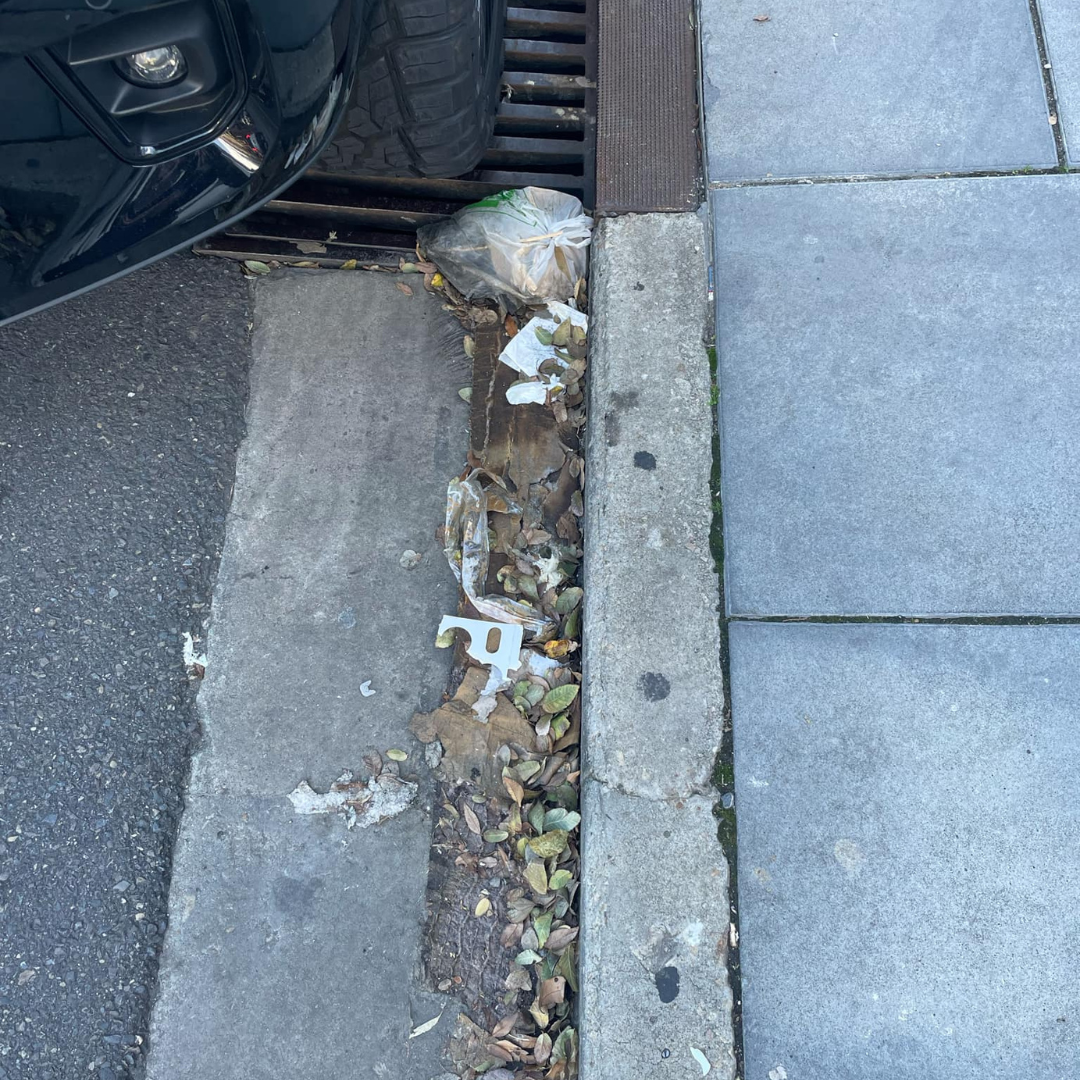
You might not realise, but if there’s any rubbish on the street, there is a fair to good chance that the next time it rains, it will be washed down into the river. As we move through winter, there is a greater chance that Adelaide will receive more rainfall so it is more important than ever to ensure our streets stay rubbish free.
Learn more about the River Torrens / Karrawirra Pari
Get to know Adelaide’s most prominent river, which is more than 460 times the length of Adelaide Oval and the soul of our city.
Want to know more about Green Adelaide’s work along the River Torrens / Karrawirra Pari? Checkout our podcast episode with Urban Water Team Lead Tammy Partridge below!
