Get 2026 off to a great start by making a commitment with nature. Here are some easy ways that you make a difference to your local environment this year.
So maybe New Year’s resolutions aren’t your thing. But how do you feel about committing to a few small changes or actions that will benefit the local environment and the plants and animals that call it home?
Across Adelaide we’re lucky to be surrounded by stunning natural spaces, thriving biodiversity hotspots and cute native critters.
But it does take some effort to keep it this way.
That’s where you come in.
At the risk of sounding like an infomercial, by committing to just a few small changes you can actually make a really big difference… in caring for our environment and protecting our precious native species.
Here’s our list of ‘6 for 2026’ – that is, 6 simple ways that you can give back to nature in 2026.
1. Look out for plants and wildlife
The ‘leave no trace’ principle isn’t a new one. But it’s worthy of a reminder. The idea is that we enjoy nature in such a responsible way that you leave no trace that you were ever there.
We often think about it in terms of camping or hiking, but it’s also relevant when walking around your local area.
If you’re walking along our waterways, respect the riparian zone where there are often sensitive habitats.
In a park, be careful to avoid trampling on new plantings or disturbing wildlife.
And on the beach, be particularly mindful about beach-nesting birds.
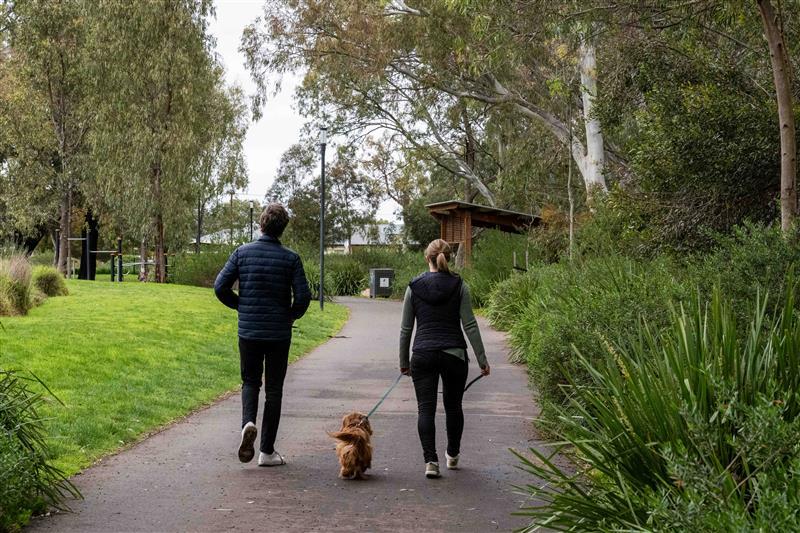
These are all especially important if you have a 4-legged friend with you. Off-leash dogs can very quickly disturb wildlife and trample nests, so it’s best to keep them secure and within your control.
2. Watch your waste
Taking a few moments to think about your garden waste can make a big difference to our waterways.
Always make sure you dispose of green waste responsibly. Dumped plant cuttings often sprout and spread downstream, where they can quickly get out of control.
Never dump cuttings in bushland or waterways. Instead use the green bin provided by your council or have your own compost.
The same goes for disposing of litter, oils and chemicals. It’s easy for these to flow into waterways when it rains.
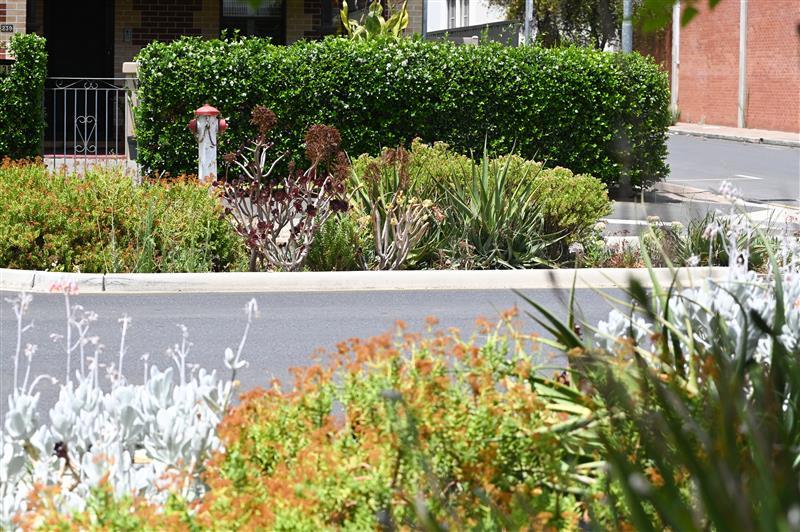
Reduce stormwater pollution at home by sweeping your driveway instead of hosing it down, using eco-friendly cleaning products, and installing raingardens or permeable surfaces to slow runoff.
3. Do that project!
Have you got an idea for an environmental project in your local area, but never quite got around to doing it? 2026 is your year, and our Grassroots Grants funding might be just what you need to help bring it to life.
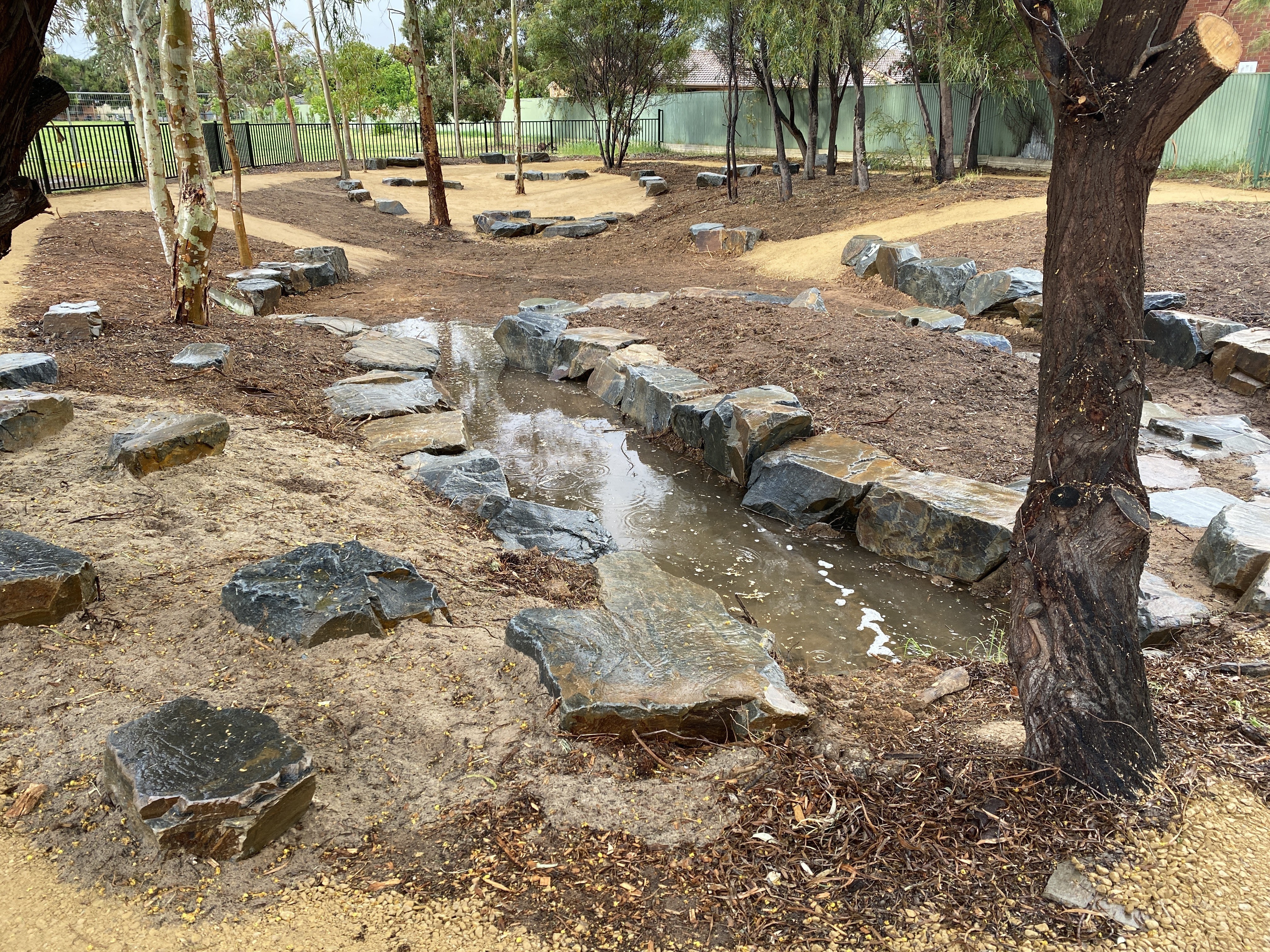
Previous projects include Can:Do 4 Kids adding a sensory green play area, Waypoint Paralowie Uniting Church undertaking a major greening makeover, and Blair Athol North School creating a raingarden and redesigning their stormwater system. You could apply this year to help contribute to a greener future.
Keep an eye on our channels for when grants open for applications in autumn, or check out our grants information to get a head start on thinking about your application.
4. Become a citizen scientist
You don’t always have to ‘do’ something to help nature. Sometimes simply observing nature is exactly what’s needed.
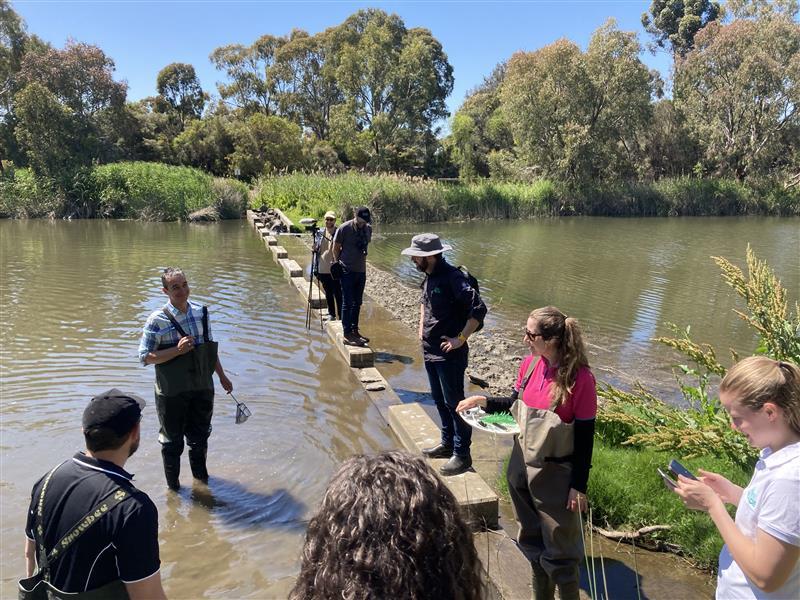
That’s what our water quality and biodiversity monitoring programs are all about. They need your help – as a citizen scientist – to track ecosystem health and inform how they’re managed.
Get involved by signing up for community water testing programs or frog-spotting surveys through Green Adelaide or local conservation groups. (Stay tuned on our social channels for when these projects need volunteers!)
5. Fight dangerous weeds
Ok, so you really want to help the environment, but you need an idea of something tangible to get started on. How about this: stopping a declared weed in its tracks.
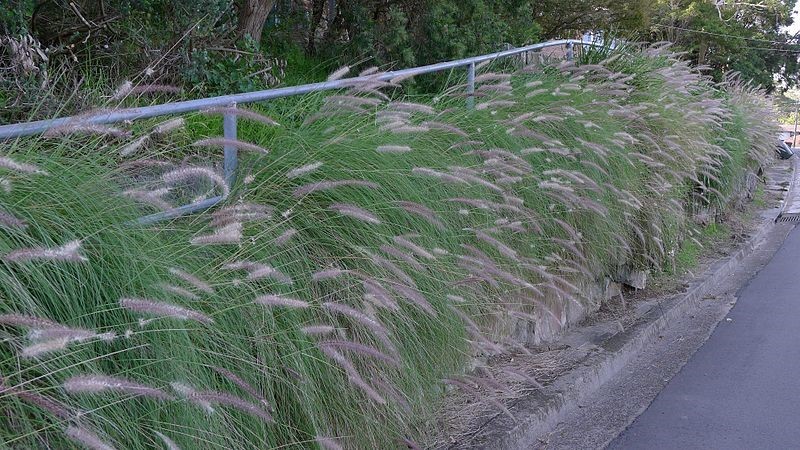
Did you know fountain grass (Cenchrus setaceus) is one of Adelaide’s worst emerging weeds? After a milder than usual previous summer, this weed took off last year.
It’s a serious weed that spreads fast, crowds out local plants, takes over gardens and causes trouble for wildlife.
Fountain grass is a declared weed, which means if you have it on your property, it’s your job to help stop it from spreading, or to remove it completely.
Learn more about how to ID this problem weed.
6. Snap a sun-moth
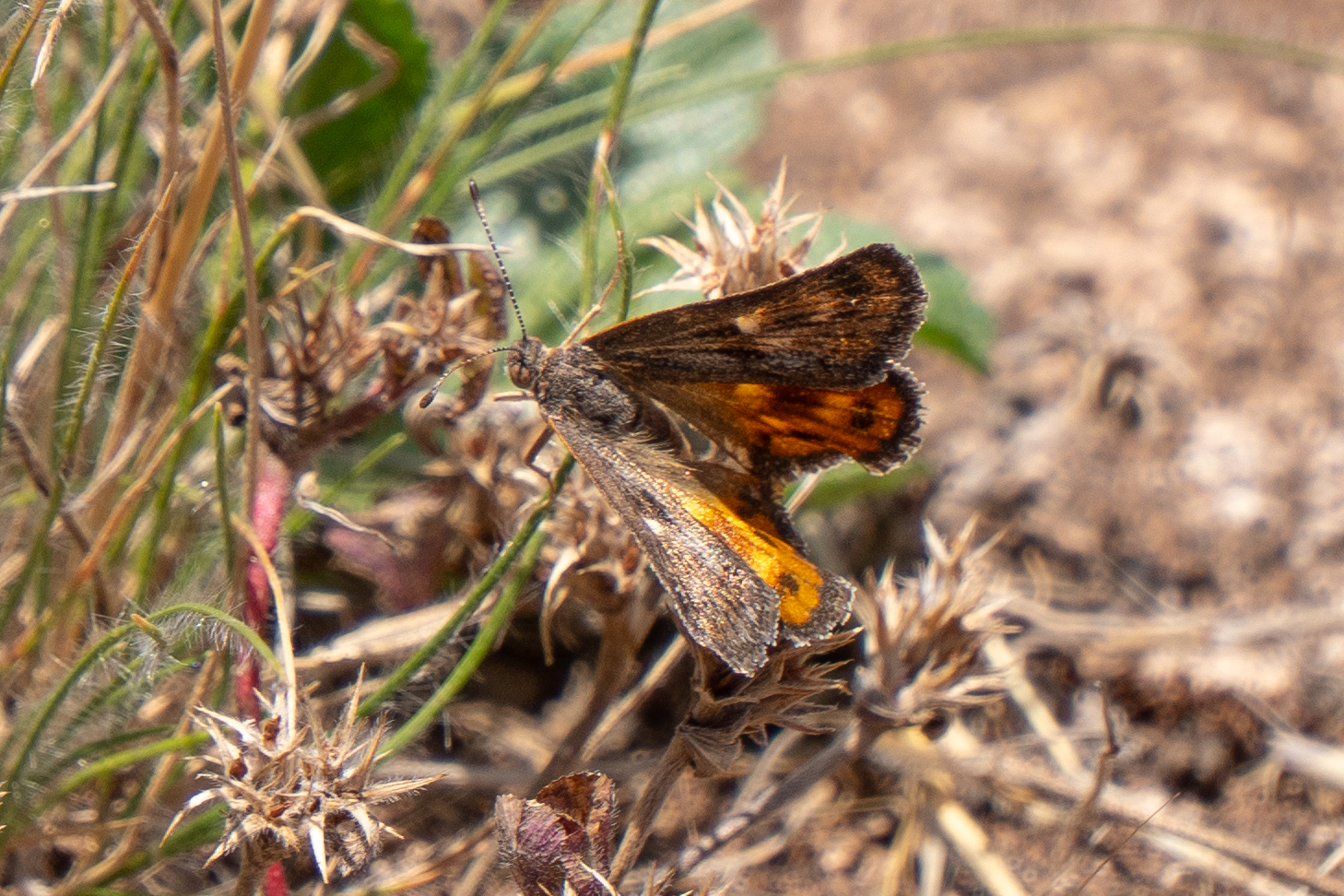
This one’s for the insect-lovers out there. You can help the environment by helping us learn more about an endangered species, and all you need is a camera.
The cryptic sun-moth (Synemon theresa) is an endangered day-flying moth found mostly in the grassy pockets of Adelaide’s hills face zone.
You can help scientists learn more about it just by snapping a photo, and uploading it to iNaturalist!
These sightings will help us understand the range and distribution of this species. Learn more about this cryptic moth.
There are plenty more ideas where these came from! The best way to find out more ways that you can made a difference in caring for Adelaide’s environment is by following us on socials, as that’s where we share projects that need your help and fun citizen science activities that you can be part of – plus loads more.