Tucked in the north-eastern suburbs of Adelaide is some of the most intact remnant vegetation and greatest biodiversity of this region. Frequented by kangaroos, koalas and echidnas, Wadmore Park – Pulyonna Wirra is an ideal place to forget you’re at the edge of a city. Find out how a local Landcare group used a Green Adelaide Grassroots Grant to improve the site for plants, animals and people.
Why is this grant project important?
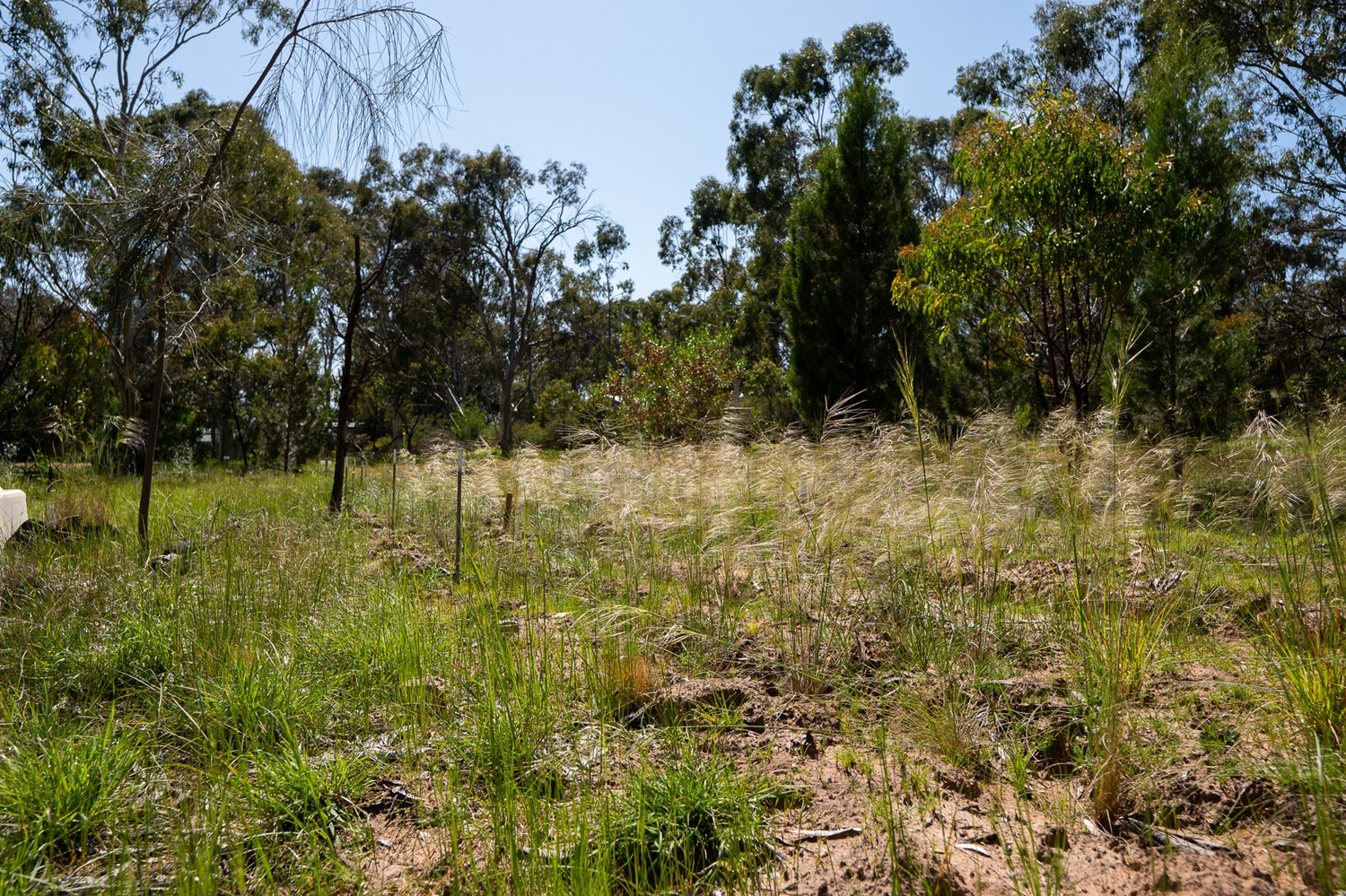
Wadmore Park – Pulyonna Wirra is a 30-hectare park in Athelstone. At one end it connects to Black Hill Conservation Park but for the most part, it’s surrounded by houses – making it a popular community spot.
Despite its suburban location, this park protects something incredibly important – one of the most intact patches of remnant vegetation on the Adelaide Plains. It’s also home to nationally significant species, such as the pale leek-orchid (Prasophyllum pallidum) and plum leek-orchid (Prosophyllum pruinosum).
There are many native animals that call park home too, including marbled geckos, threatened grey-headed flying-foxes and rare bibron’s toadlets.
Campbelltown Landcare Group member Marc Ó’Conaill points out that the group’s logo even contains a bird that is rare in the Adelaide Hills and Adelaide Plains – the black-chinned honeyeater (Melithreptus gularis gularis). This species was once widespread across Adelaide but now, it is rarely seen.
Similarly, Campbelltown Landcare Group members noticed that small birds in general were absent from their surveys of the area. This got them asking themselves why – and what was missing from the park.
Marc says, “It’s quite obvious really – what’s missing is they don’t feel safe here, they don’t have a food source here.
“This place was devoid of native species – it was actually a field of salvation Jane and we had some remnant grasses in here.
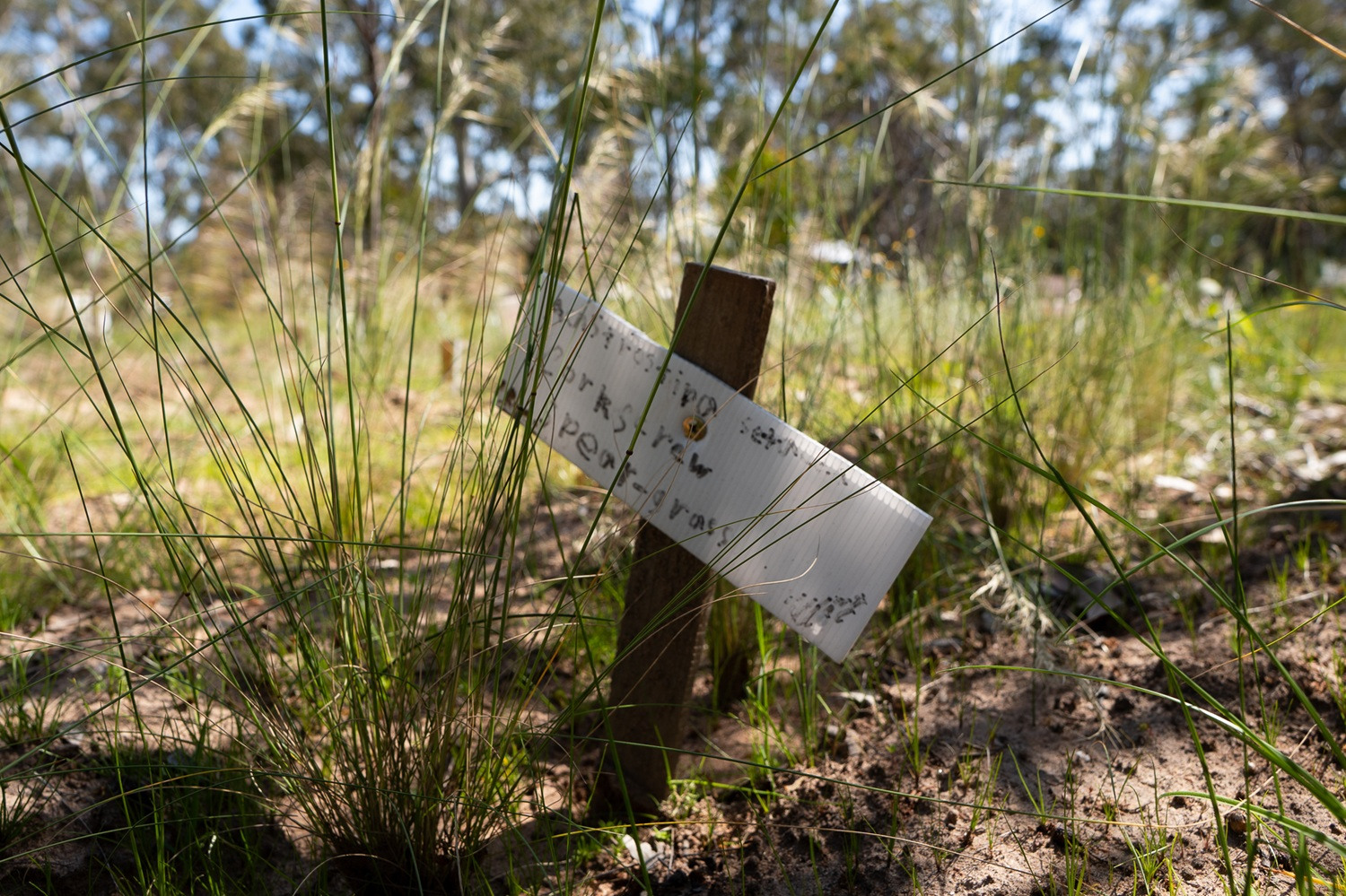
“So, restoring native grasses en masse using the Green Adelaide grants allows us to put many native grasses back to provide that habitat and to provide that food source.”
The group will monitor the difference their plantings have made, conducting bird surveys again once the grasses have established – which could be a couple of years away.
What is a native grassland?
As the name suggests, this type of environment – also referred to as a plant community – is predominantly made up of native grasses.
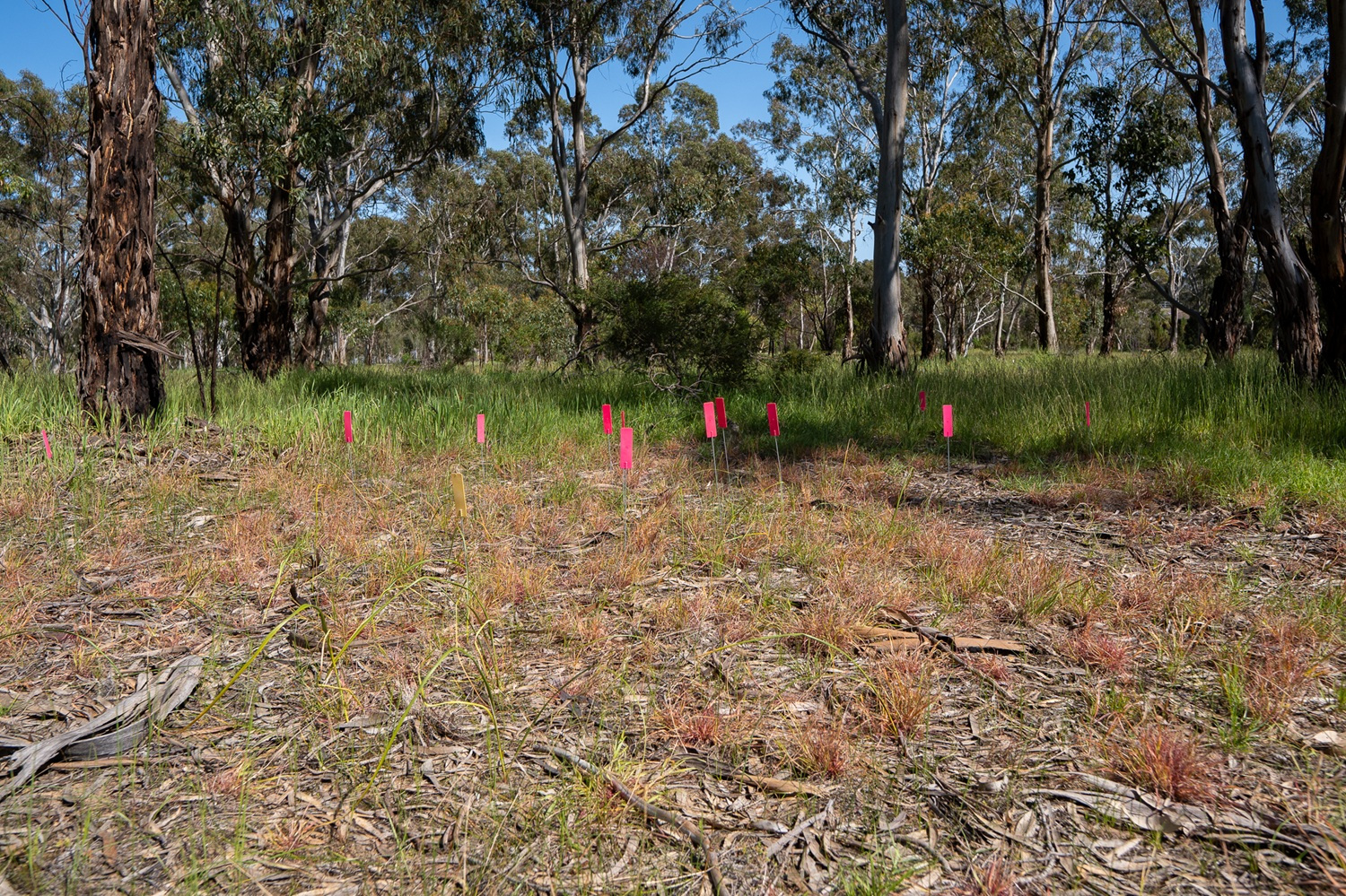
Before colonisation, most of greater Adelaide was native grassland – now, we only have about 1% left.
Grasslands can tend to be undervalued because while people generally see the value of trees, the average person may not even be able to tell the difference between native and introduced grasses. And in a grassland, the trees are much sparser – but that’s exactly how they’re supposed to be and that’s what make them suitable for specific animals.
How did the Grassroots Grant help?
The grant enabled the group to employ contractors from Trees For Life Works to help tackle some of the tricky weeds in their current focus area of the park. Grasses are hard to identify and weeding out the pest varieties can be time consuming – sometimes needing to be pulled out individually, by hand.
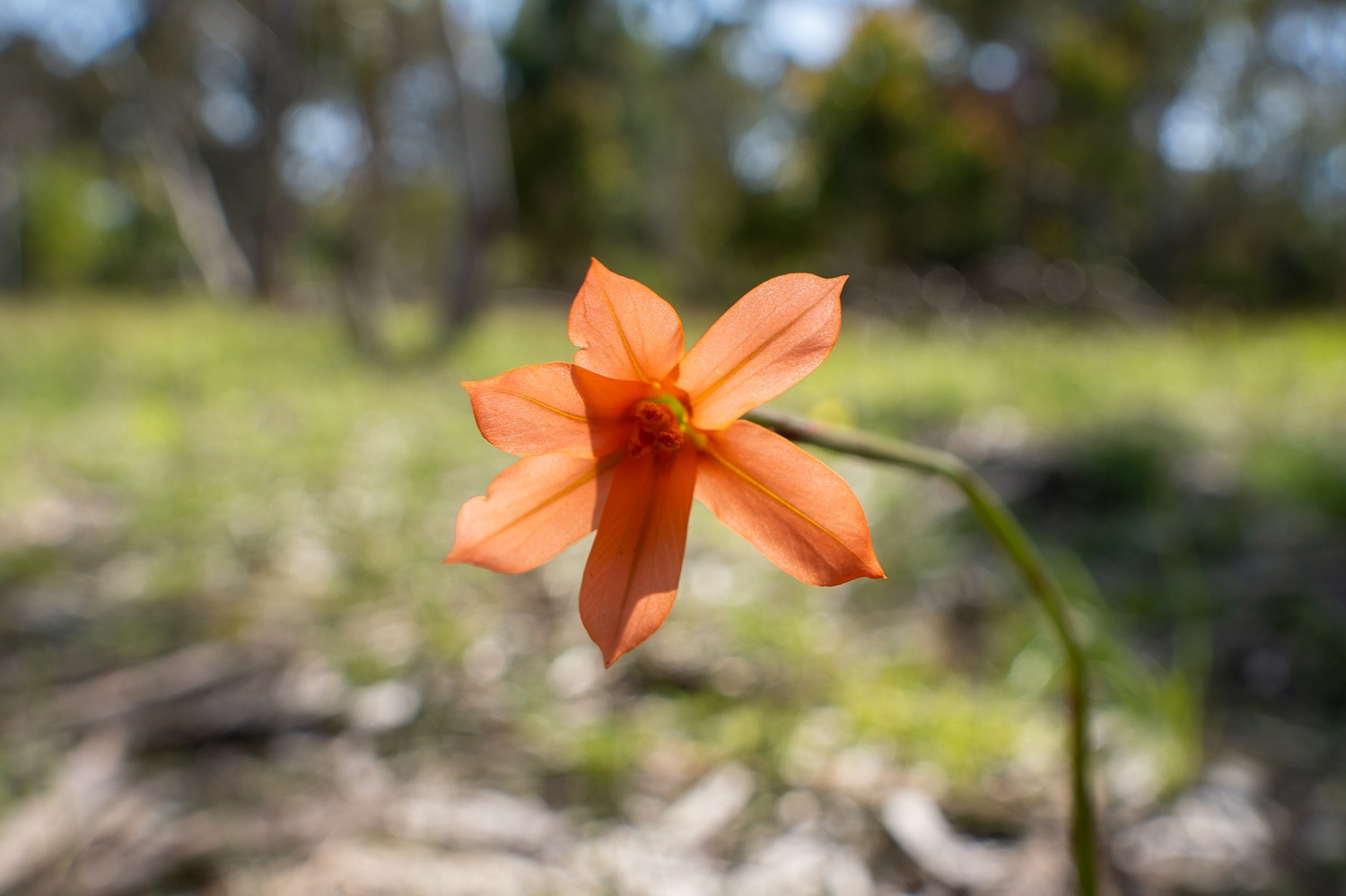
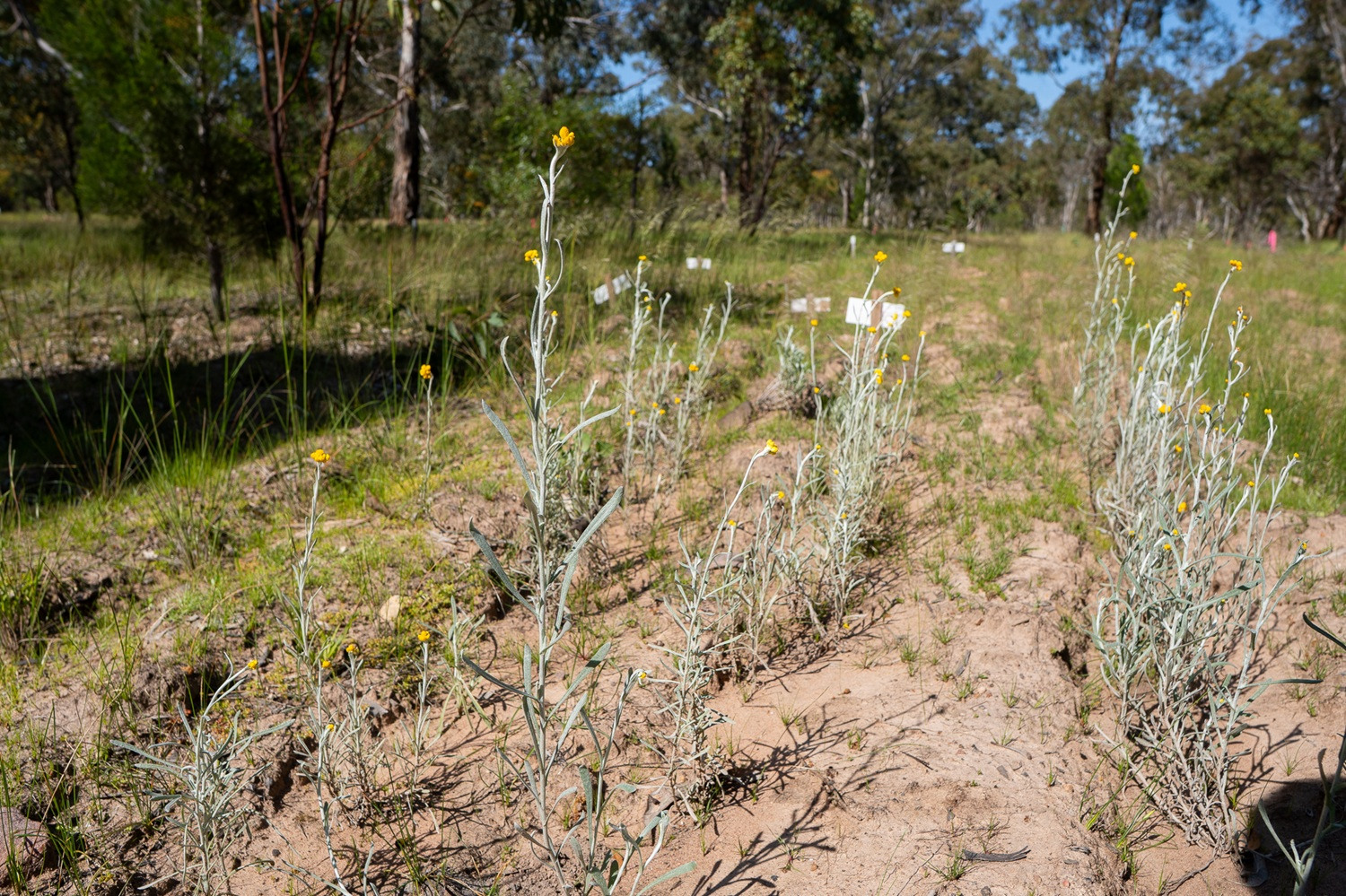
This gave the group the opportunity to focus more on planting, carefully selecting species from Kersbrook Landcare Group and growing some themselves. And now, nature is doing its thing and regenerating by itself.
Campbelltown Landcare Group volunteer Lauren says the grant helped the group to bring in a “framework of native grasses”, allowing native species to regrow in the gaps created by weed control in between.
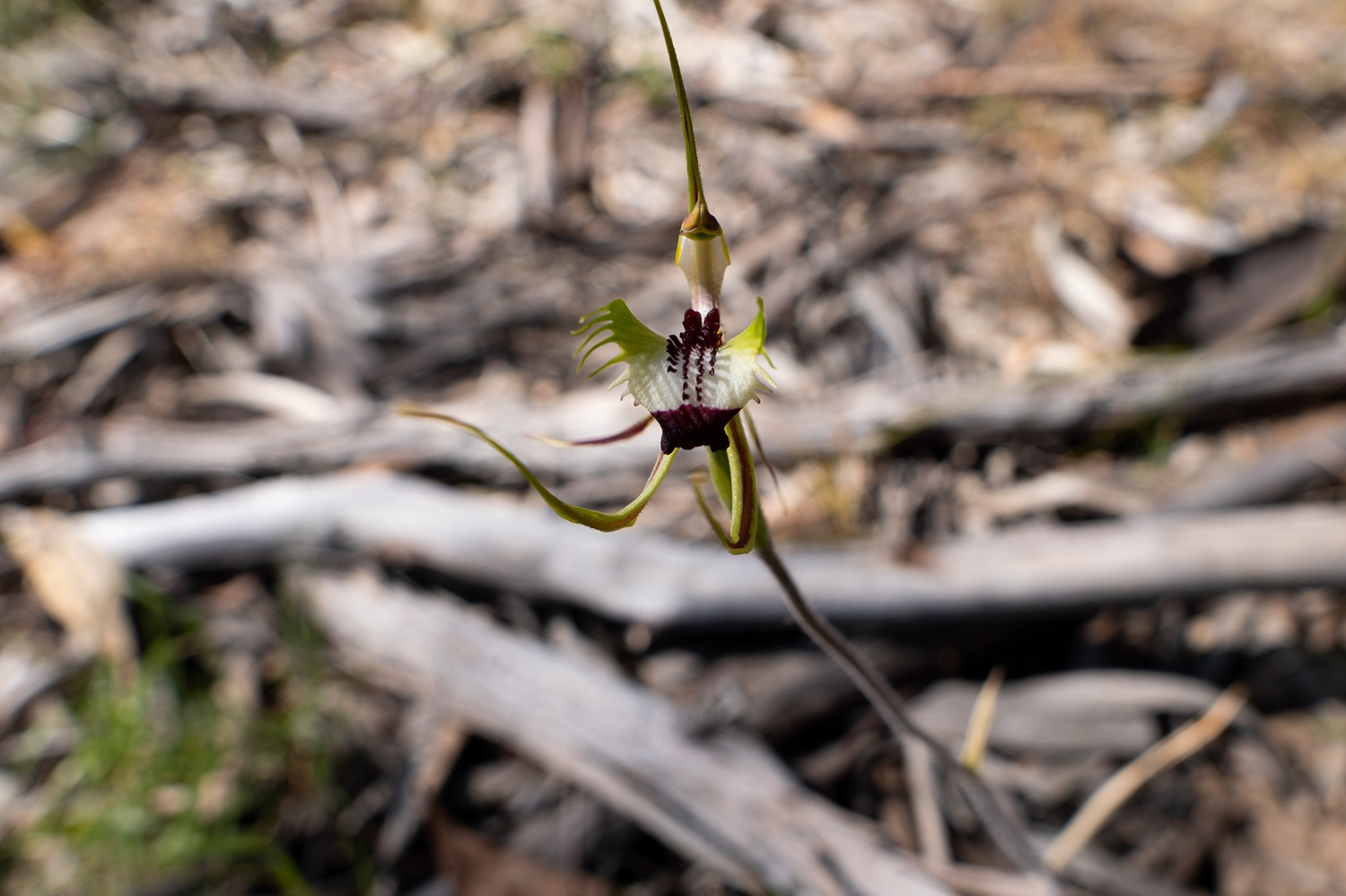
“We’re seeing some amazing plants pop up – like some beautiful orchids that haven’t been seen in this area for a very long time – and they’re popping up all by themselves.
“The orchids are a little bit like a canary in a mine shaft in that they’re the first to go, so seeing them pop up is such an amazing indicator of health in these grasslands.”
The grant will also support the group to run two community planting events in conjunction with Campbelltown City Council.
Lauren says, “We want to build something which is able to be self-sustainable, which truly replicates what would have happened here originally in nature – in an authentic, indigenous woody grassland.
“We don’t want it to be something that requires constant maintenance,” she says.
Do you have any words of advice for future applicants?
Marc says, “Green Adelaide want to invest in sustainable things – think about how you will look after your work, for example, weed control or watering, and how you will monitor success.
“Importantly, plan for risks, such as dry summers and show your long-term thinking, aligning with council and Green Adelaide,” he says.
“Use technology at hand in your application too, for example, Nature Maps to create a map for your application, GPS – even from your phone – to specify locations.
“Remember the staff reviewing your application have limited time – grab their attention.”
After explaining that the group weren’t successful the first time around, Marc suggests keeping any failed applications on hand to refer back to.
Lauren says there are lots of helpful resources available too.
“As someone new to the grant source space I would suggest looking at all the supporting information that Green Adelaide put out like guidelines, FAQ and webinars to help you understand what Green Adelaide want and need in an application,” she says.
What’s next for Campbelltown Landcare Group?
Campbelltown Landcare Group meets every second Sunday from 9 until 11 am – with usually another half hour afterwards for tea and biscuits (which Lauren says her children really enjoy).
Having joined the group just over a year ago, Lauren says she’s seen a full cycle of the group’s operations, with events adjusted depending on the needs of the seasons.
“So, at various times of the year we have focuses on planting and then spring, gathering the seeds, later over summer, looking at watering.”
Follow the group on Facebook for updates and events.
Find out more about Grassroots Grants
Green Adelaide Grassroots Grants provide funding of $2,000 to $200,000 for local projects that contribute to a cooler, greener and wilder Adelaide.
Want to be first to know when applications open again? Subscribe to our newsletter.
In the meantime, if you’re part of an environmental group that needs support, find out how Green Adelaide can help with core needs such as personal protective equipment, insurance or upskilling.
Main image: Campbelltown Landcare Group members Lauren and Marc at Wadmore Park – Pulyonna Wirra.