Did you know that the world’s fastest animal is a regular inhabitant of Adelaide’s CBD? Now, before you panic, the world’s fastest animal is not a cheetah, because if they were in the CBD, that might be a problem.
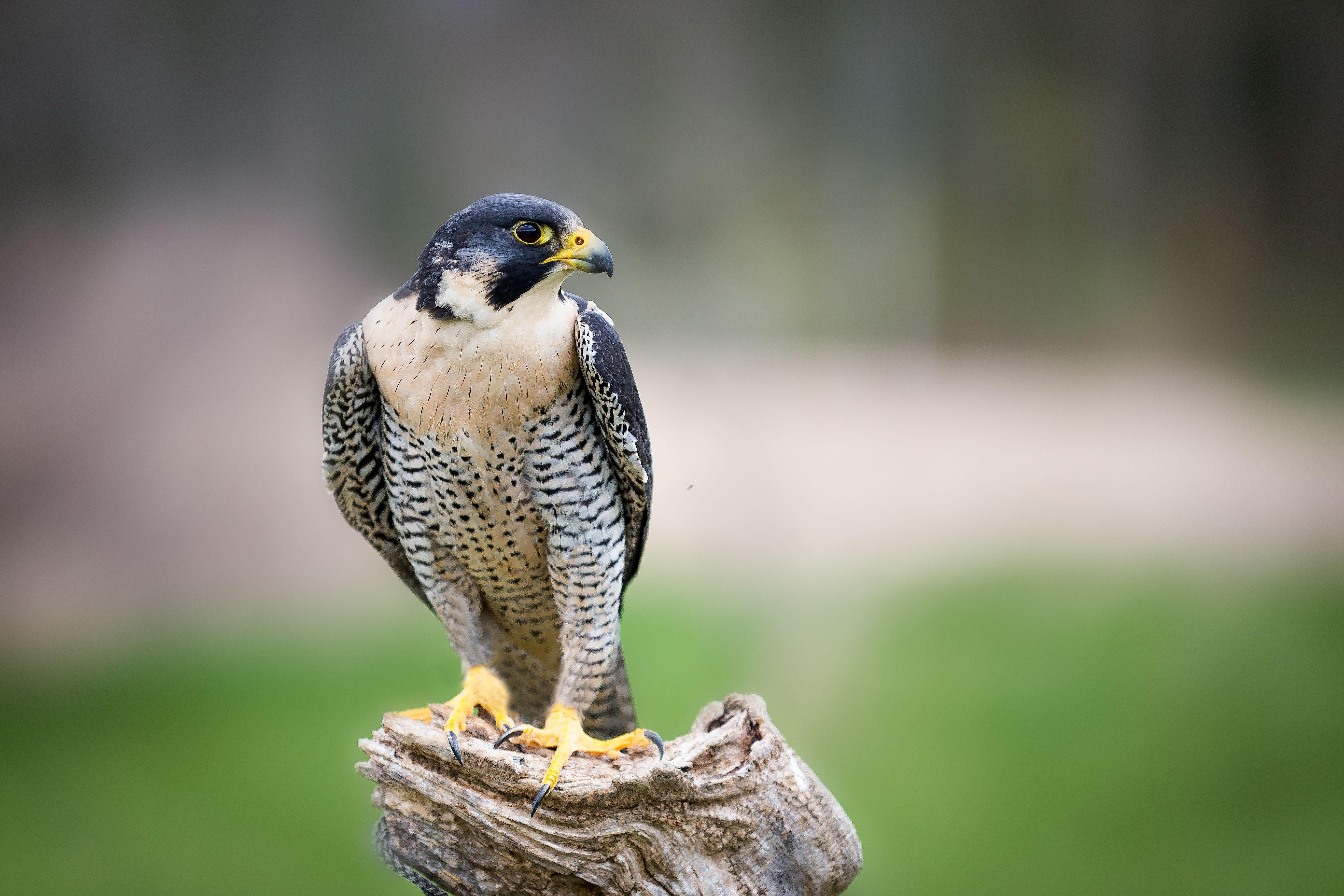
It is in fact a peregrine falcon! This quick-flying bird can reach speeds of over 300km/h making them one of the ultimate birds of prey.
Read on to find out four fast facts about these birds and learn why having them in Adelaide is a good thing for our environment.
In summary:
- Peregrine falcons are the fastest animals on earth, reaching speeds of more than 300 km/h when diving to catch prey.
- These powerful birds have exceptional eyesight, sharp talons and distinctive blue-grey plumage, making them highly effective hunters.
- Peregrine falcons have adapted well to city life and can often be found nesting on tall buildings in Adelaide.
- By preying on feral pigeons and other birds, they help maintain healthy ecosystems and keep pest populations under control.
- Peregrine falcons are protected in South Australia, and we can help them thrive by respecting nesting sites and using wildlife-safe rodent control methods.
1. Need for speed
When a peregrine falcon spots its prey, it doesn't simply chase it. It climbs high into the sky before diving at breathtaking speeds of more than 300 km/h, making it the fastest animal on earth. This remarkable hunting strategy allows it to strike birds in mid-air with incredible precision.
2.Eye in the sky
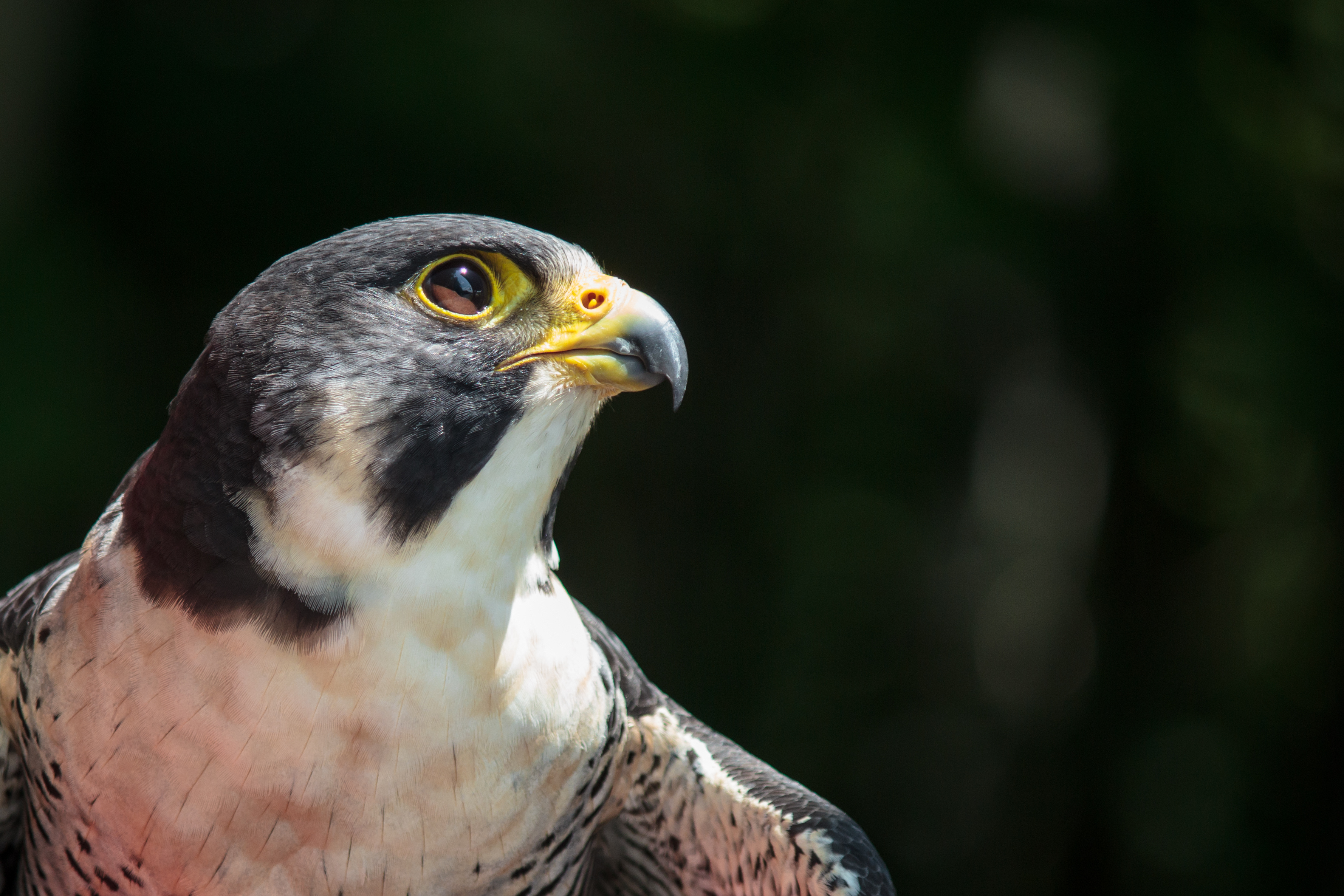
Peregrine falcons are powerful birds of prey with long, pointed wings, sharp talons and exceptional eyesight. Their distinctive appearance includes a black head, bluish-grey back and barred grey underparts. Females are larger than males and can have a wingspan of up to 1.2 metres, making them formidable aerial hunters.
3.Inner city living
Although still considered rare in South Australia, peregrine falcons can be found across much of the world and have adapted surprisingly well to city life. In Adelaide, they often nest on tall buildings that mimic the cliff ledges they naturally prefer. They can also be spotted in conservation parks around the state and along the River Murray’s dramatic cliff faces.
4.Nature's aerial predators
Pigeons and other medium-sized birds make up much of a peregrine falcon's diet. By preying on species such as feral pigeons, these raptors play an important role in maintaining healthy ecosystems and keeping pest populations in check.
How we can help protect peregrine falcons
Peregrine falcons are protected in South Australia and rely on safe nesting sites to raise their young.
Avoiding disturbances near nesting areas, delaying building maintenance around active nests and choosing bird-friendly rodent control methods can all help protect these incredible birds.
By reducing the risk of secondary poisoning from rat baits and respecting nesting sites, we can help ensure peregrine falcons continue to thrive across our landscapes and cities.
To learn more about this Usain Bolt of the skies, check out our info on peregrine falcons and if you have a photo of one you spotted, tag us on Facebook or Instagram!