Adelaide’s coast is set for a biodiversity blitz with nearly 5,000 rare and threatened plants heading into our dunes.
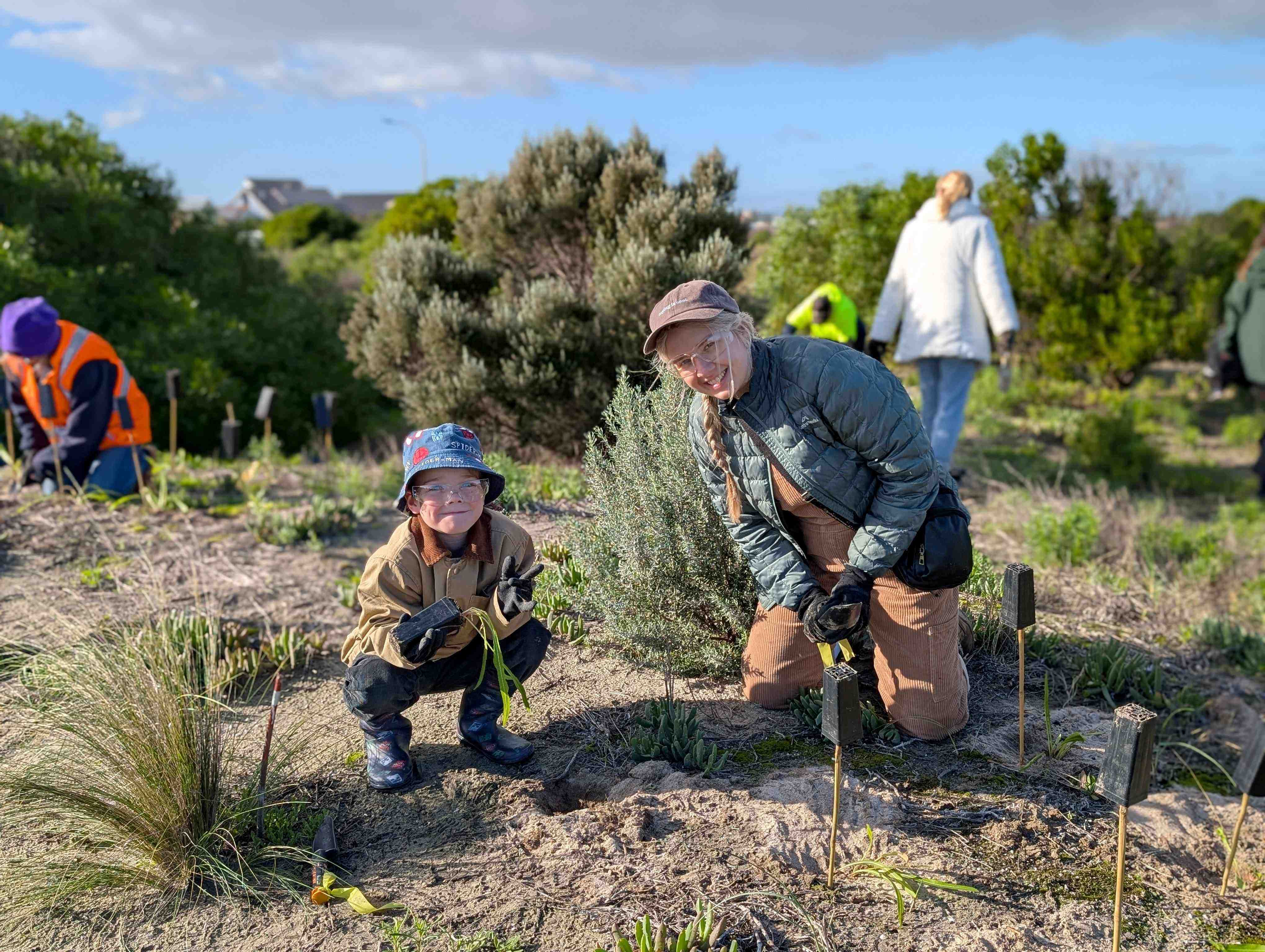
A partnership between Green Adelaide, Trees For Life and SA Seed Centre is helping to reintroduce thousands of rare and threatened plants around Adelaide.
The project is helping rare plant species recover, re-establishing them in places where they once grew naturally.
These rare plants have faced challenges in the past from urban development and weeds, but are slowly returning to parts of Adelaide, where they belong.
Find out how this year our coastal dunes are set for a biodiversity boost.
What is the rare plant project?
The rare plant project has helped return almost 10,000 plants to our environment. This includes species such as tall daisies (Brachyscome diversifolia), golden billy buttons (Pycnosorus chrysanthes) and arching flax lilies (Dianella longfolia grandis) planted across 22 sites around Adelaide.
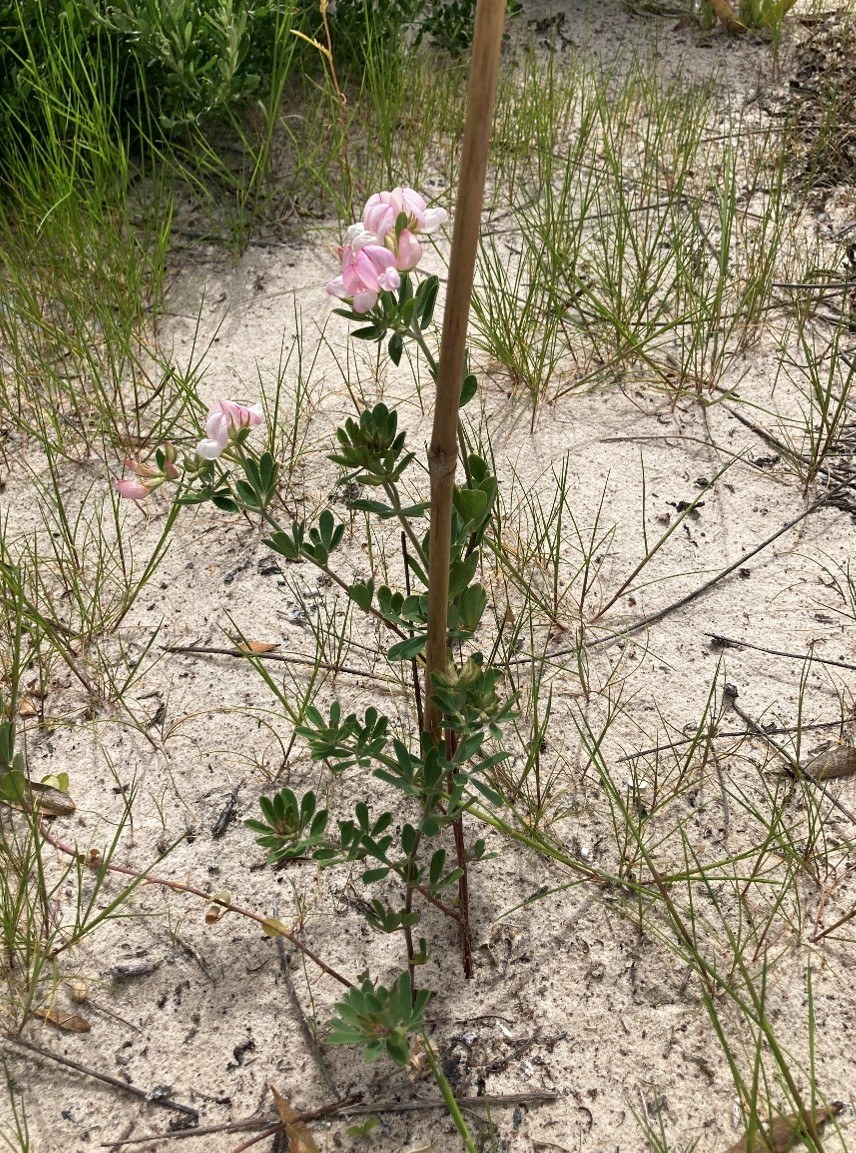
Last year, the project took on a more coastal flavour, with species such as coastal swainson-pea (Swainsona lessertiifolia) and Australian trefoil (Lotus australis) added into our dunes.
At the heart of the project is collaboration. The SA Seed Centre plays a big part in getting these rare species back into nature, collecting seeds from local populations to help conserve the remaining genetic diversity (basically, they collect seed from as many different local plants as they can so the species stays healthy and resilient).
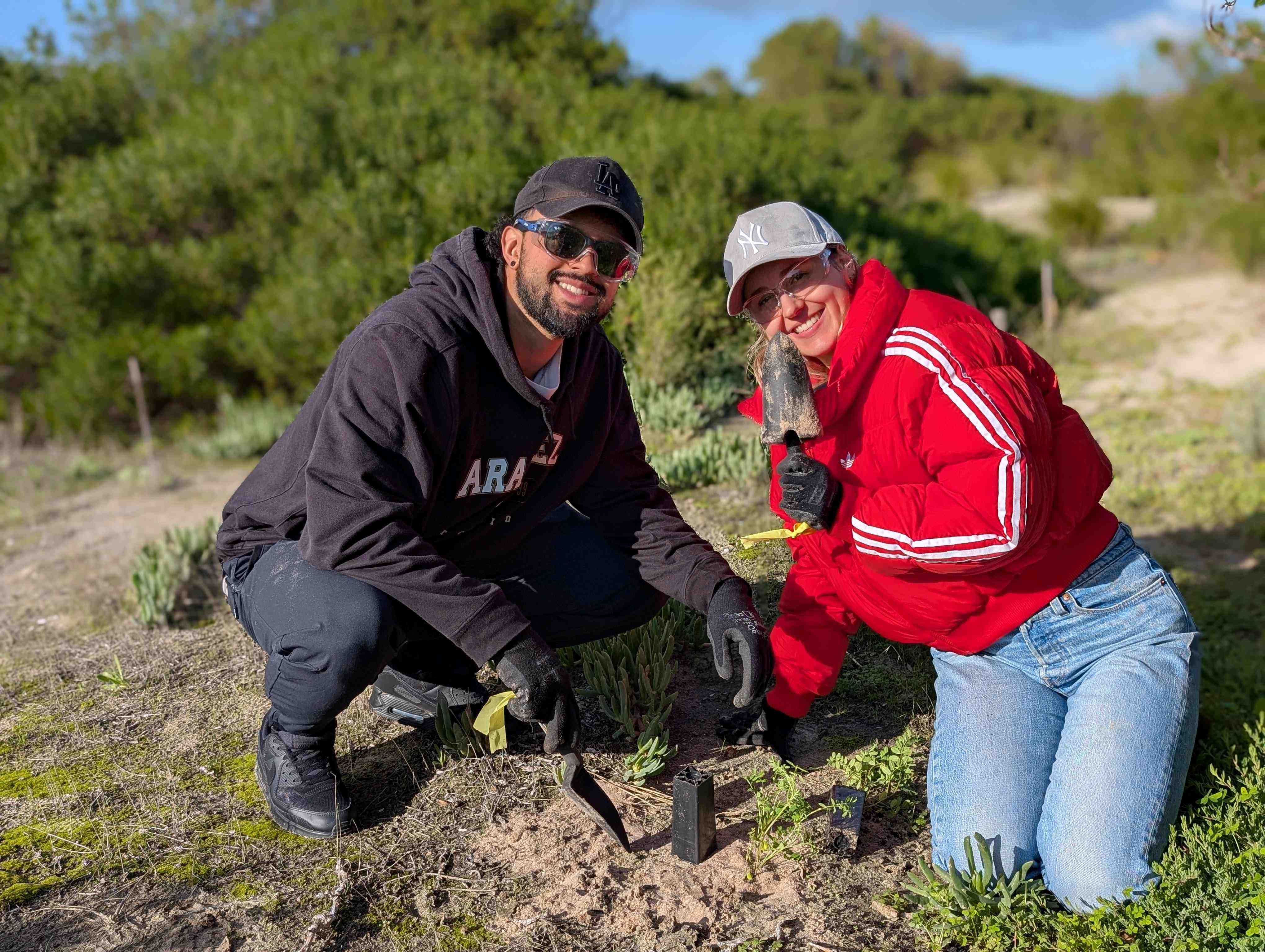
Trees For Life then grows the plants at their nursery until they’re ready, before Bush For Life volunteers get them into the ground.
They get these plants into the ground at sites that are already being looked after, so the rare species won’t have to compete with lots of weeds.
How did the plants from last year go?
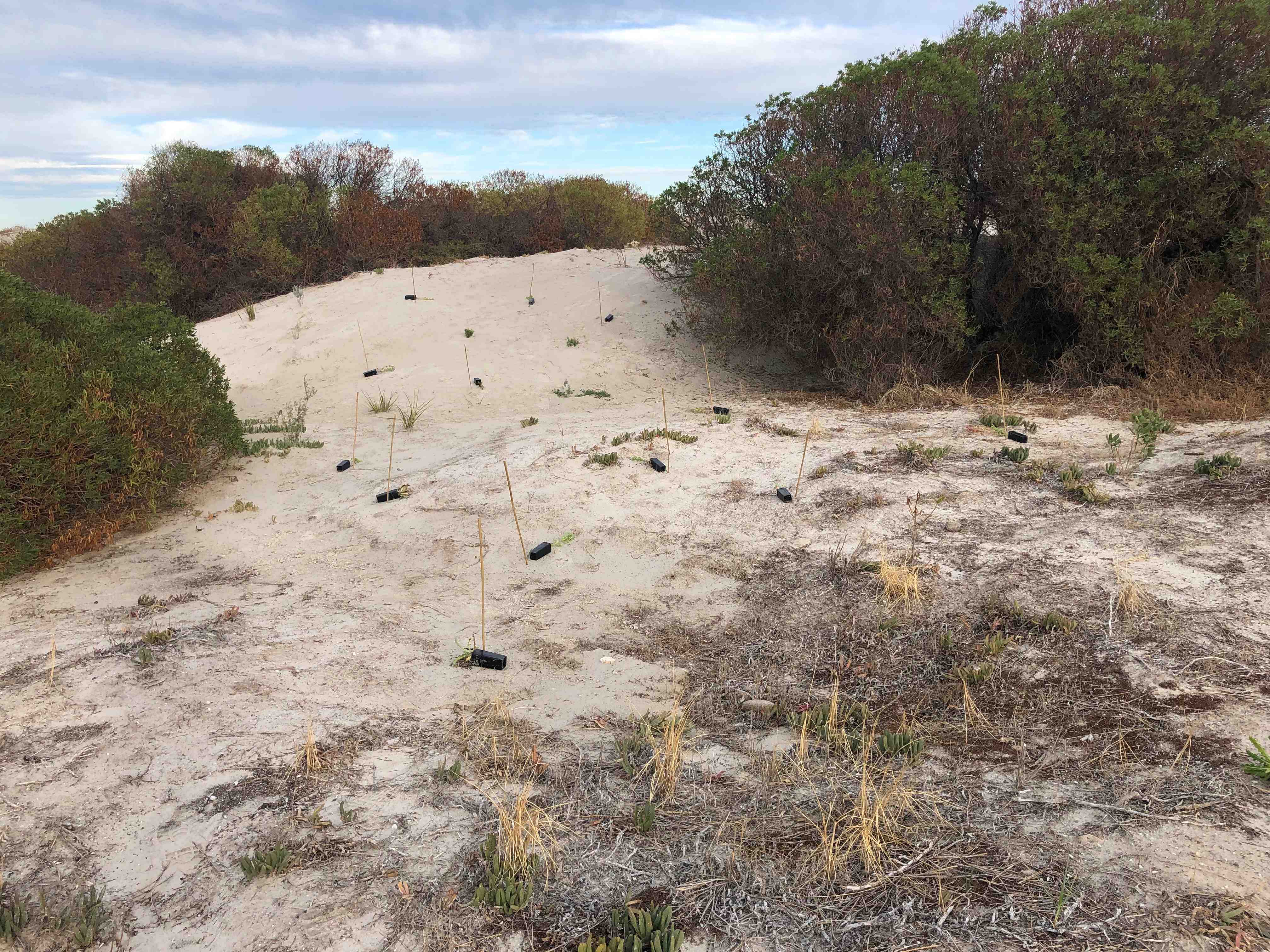
Last year, around 4,000 plants were added into our coastal sites.
Many of the plants flowered and set seed – a key sign they’re beginning to establish self-sustaining populations.
While not every plant survived, our project team has used results from last year to refine future plantings. We’ve carefully noted if certain species didn’t seem to do well in open and exposed areas, for example, so that we can try them in more protected spaces to see if they do better when they are shielded from the sun and wind.
What is happening this year?
This year, the same selection of coastal plants is due to go back into key sites to support native wildlife such as the painted dragon, which relies on a diversity of plants for food and habitat.
The following species are being planted:
| Common name | Species | Status in Adelaide area |
| Hawkweed picris | Picris squarrosa | Endangered |
| Coastal swainson-pea | Swainsona lessertiifolia | Vulnerable |
| Dune thistle | Actites megalocarpa | Rare |
| Australian trefoil | Lotus australis | Near threatened |
| Elegant yellow-top | Senecio pinnatifolius maritimus | Rare |
| Sticky Daisy-bush | Olearia passerinoides ssp. glutescens | Rare |
Thanks to the work of volunteers, these dunes now have fewer invasive weeds such as sea spurge and gazania, giving native plants a better chance to thrive.
Get involved
A huge thanks to volunteers who came and joined us at the North Haven Dunes on 31 May.
Want to help bring rare plants back to our coast? You can still get involved.
Join Bush For Life to help with planting and weed control at sites across Adelaide, and prepare for future plantings.