A neglected memorial garden in Adelaide’s south is being transformed into a cool and peaceful space thanks to the Noarlunga Uniting Church and a Grassroots Grant. Discover how their project came about and their advice for future grant applicants.
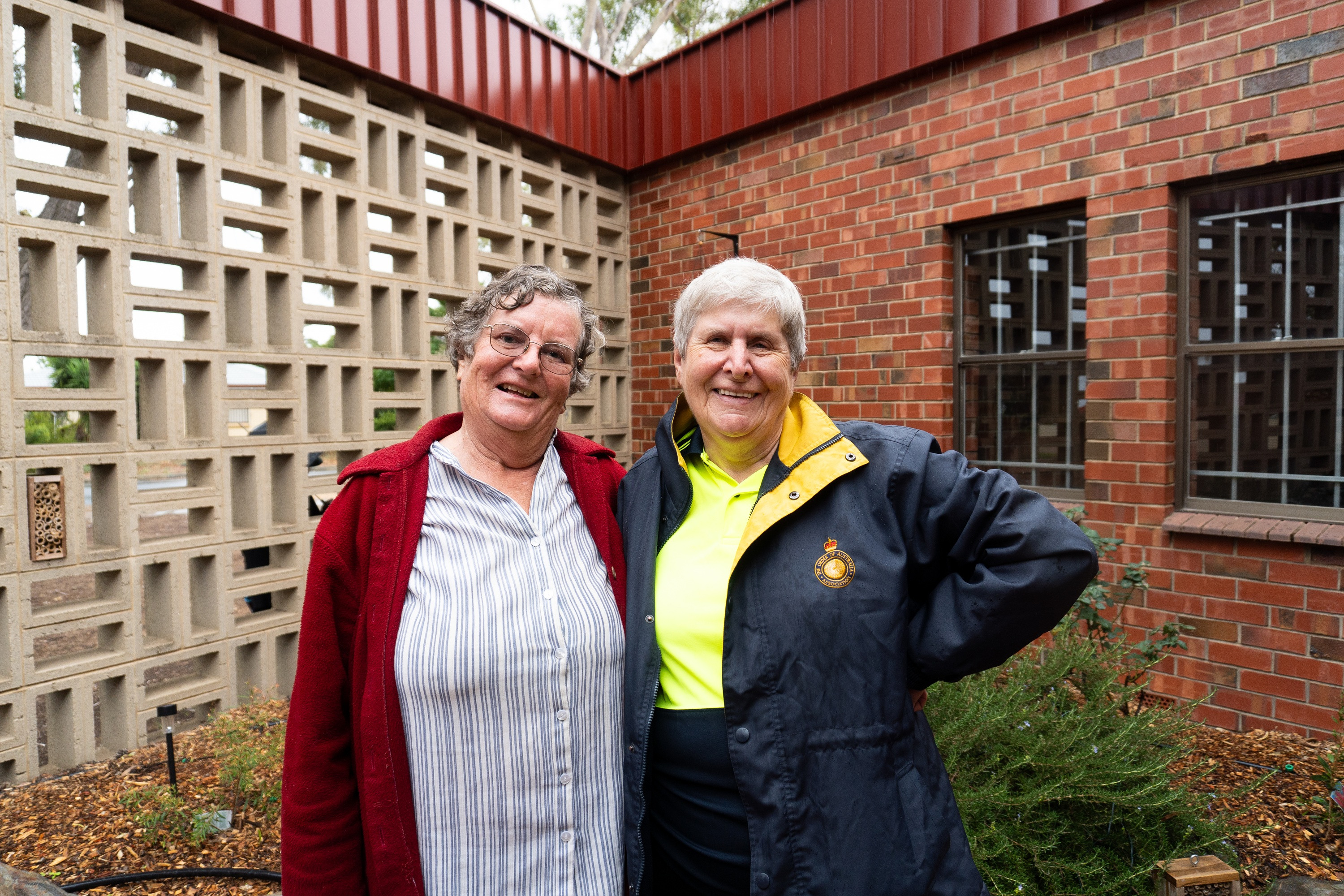
When the Noarlunga Uniting Church’s craft group noticed that there were plaques covered by dead plants in their memorial garden, they decided it was time to make a change.
While the site was used for worship, food relief, nursery volunteers and community outreach, the garden itself had been largely forgotten – even the odd chip packet found its way in there.
Parishioner and volunteer OAM Ann Smith says they thought it was disrespectful and decided to do something about it.
“We thought – let’s take it on,” she says.
Church Minister Reverand Ian Hunter says it was Ann’s vision for what was possible that sparked their Grassroots Grant application.
“In this area we have a very diverse group of people… and this [project] gives an opportunity for people to have a space to come to that will be safe and lifegiving, out in nature,” he says.
“But also, for those who are actually helping with the project, it gives them an opportunity to connect and be with people – and a lot of them are people who otherwise would find themselves isolated.”
Why is this grant project important?
The group aims to create a site that is welcoming, inviting and, of course, greener.
“The site gets very hot in summer, so we are happy to be planting some crepe myrtles and macadamia trees to try and cool the space,” says Ann.
She says it will be a space where people can wander through the gardens.
“We’ll put a bench where they can sit just to have a little peaceful place in this very chaotic earth we have.”
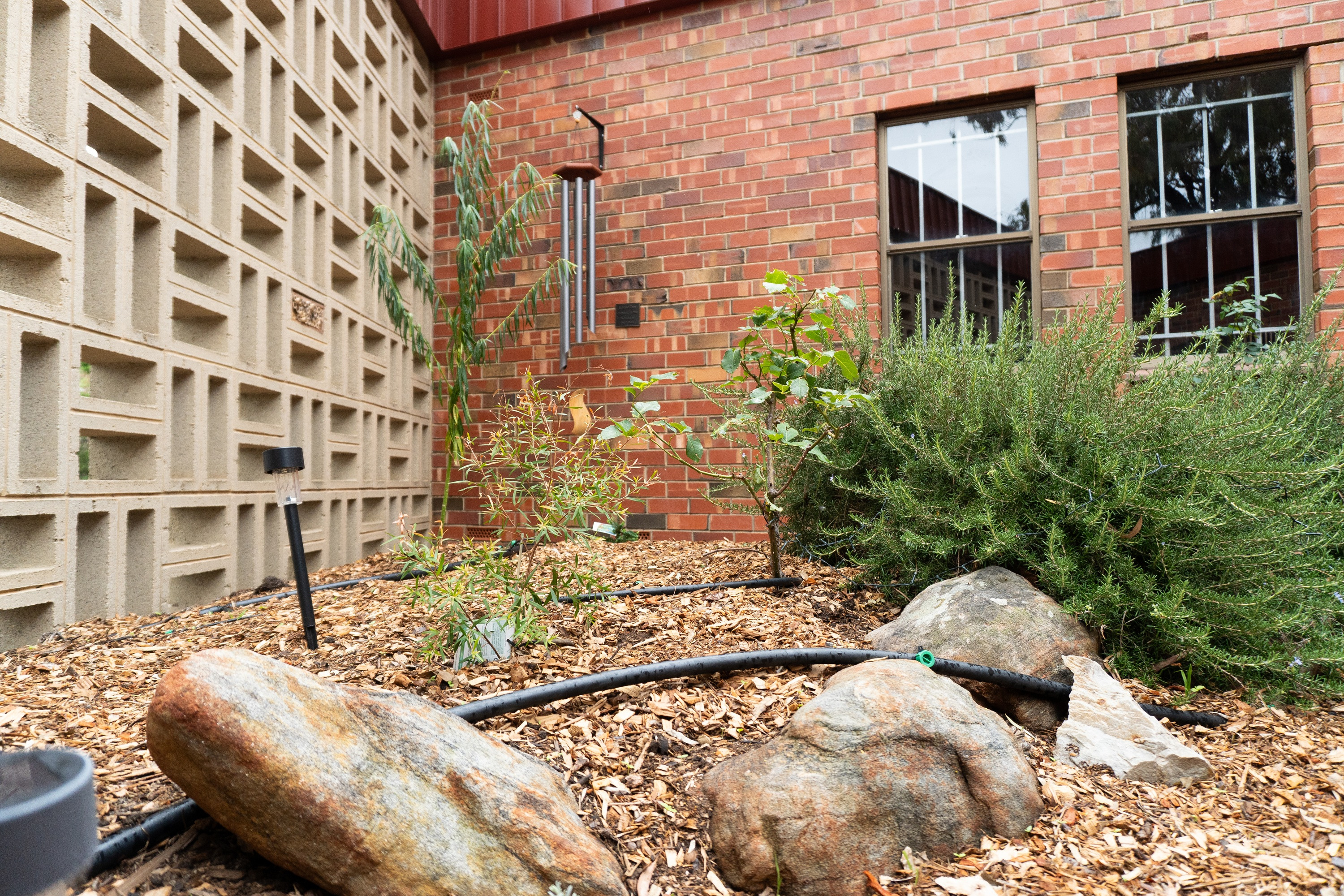
Attracting birdlife and local wildlife, such as small lizards, insects and possums, is one of the church’s aims too and Ann says they’re already having some success.
“Since we’ve been here, the soil was dead, there was no native bees… now we have blue-banded bees, geckos, the birds are coming back,” she says.
“Life is slowly returning.”
Ann says they will put up some nesting boxes too for the rosellas and other parrots that visit the church.
How did the Grassroots Grant help?
Ann says, “We had no money – we had zero money.”
So, they started out with just some donated mushroom mulch and plants.
“Then one night we were out here watering my husband and I, and we said – this space can be just so much more,” Ann says.
That’s when someone told them about the Green Adelaide Grassroots Grants.
The grants have allowed them to expand on their initial ideas with native bee and insect hotels, bird boxes, more native plants and some advanced trees and grevilleas.
Ann says, “The Grassroots Grant encourages you to use local, so we’ve ordered 600 tube stock from Indigeflora at Hackham.
“Jeremy from Green Adelaide gave me a list of local species, so [Indigeflora is] actually growing them for us, so that they should be ready by the end of May.
“By then the soil will still be warm but the rains will have come so we won’t have to spend as much time watering,” she says.
Do you have any words of advice for future applicants?
Ann says the process is quite easy if you follow it step by step.
“Just put down the information they need to know, write a plan of what you intend to do, how you intend to spend your money, and keep a copy of everything.
“If you have a problem, you just ring a [Green Adelaide] grants officer up – they’re very helpful.
“I’m just a layperson, I’m not a professional grant writer, but I thought – just give it a go.
“I would encourage anyone to apply.”
Find out more
Green Adelaide Grassroots Grants provide funding of $2,000 to $200,000 for local projects that contribute to a cooler, greener and wilder Adelaide.
Want to be first to know when applications open again? Subscribe to our newsletter.