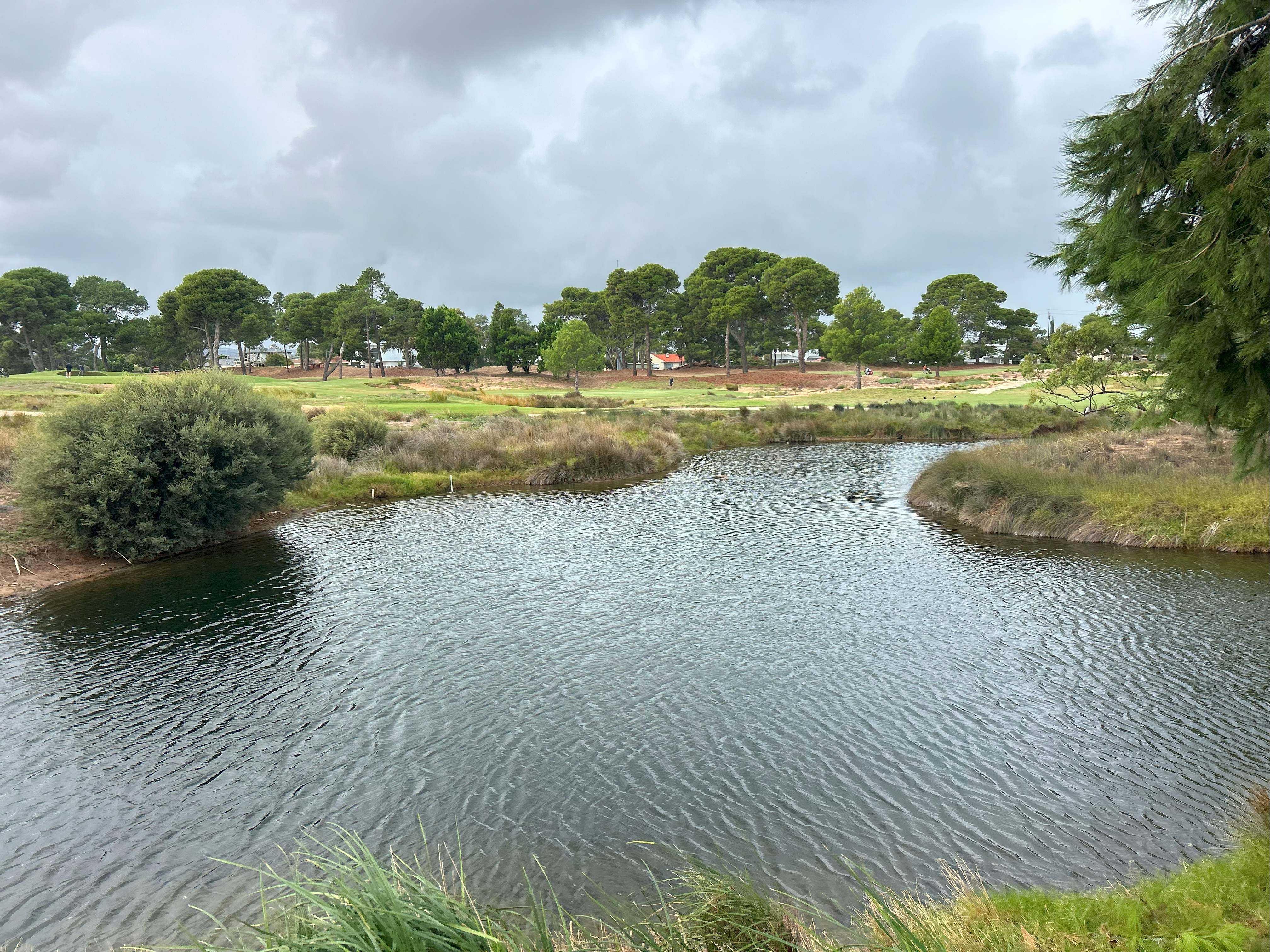
Five hundred Murray hardyhead fish were released into a wetland at Glenelg Golf Club to help safeguard this vulnerable species from extinction.
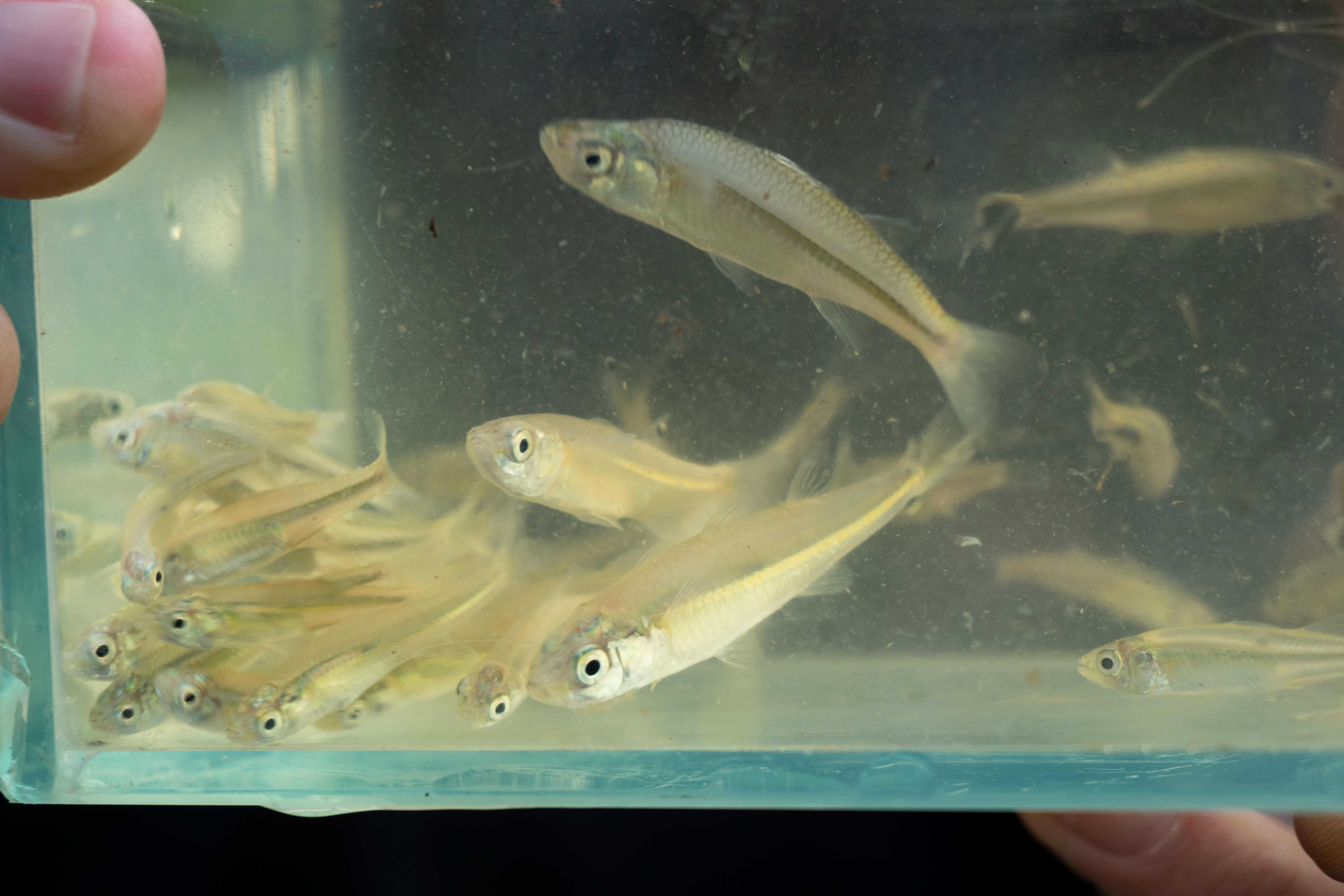
The introduction follows more than a decade-long effort to get the fish back into SA’s Lower Lakes after they were displaced following the Millennium Drought. Glenelg Golf Club will provide a safe place to build a secure population of Murray hardyhead to support future releases of the vulnerable fish back into the wild.
Delivered through a partnership between Green Adelaide, Nature Glenelg Trust and Glenelg Golf Club, the fish were relocated from Beyond Wetland in Victor Harbor, where a small rescue population had been established after being found in SA’s Lower Lakes during the drought. The golf course site has been selected for its stable water conditions, suitable salinity profile, and capacity to support the species’ long‑term recovery.
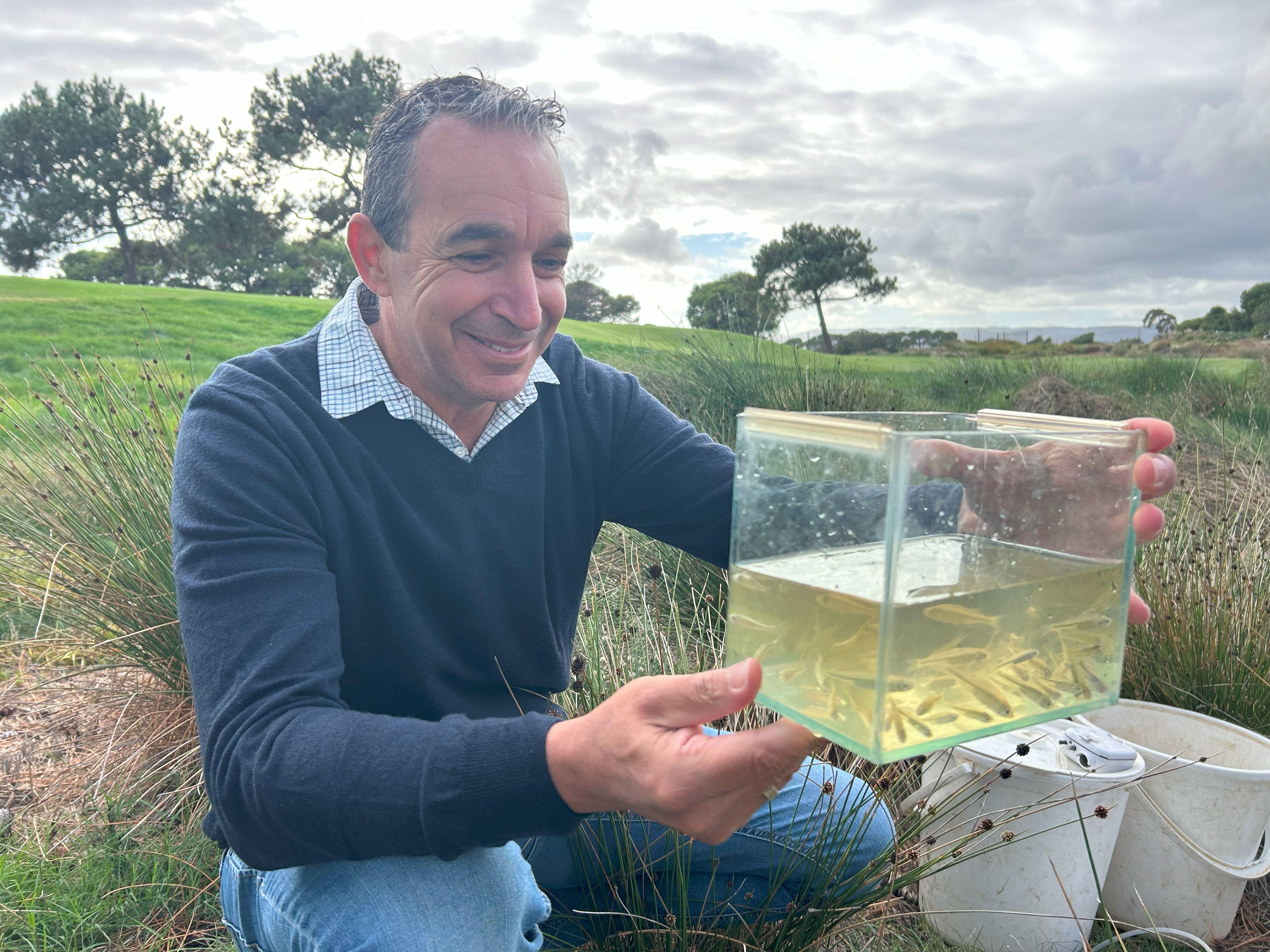
As the second release of a vulnerable fish species to the golf course in recent months, Green Adelaide Urban Biodiversity Team Leader Jason van Weenen said it demonstrated how urban environments can provide innovative conservation solutions.
“Glenelg Golf Course is once again providing an important fish refuge site, this time giving the Murray hardyhead a fighting chance,” Mr van Weenen said.
“By creating safe, controlled habitats outside of traditional river systems, we’re building a buffer against potential future challenges for the species.”
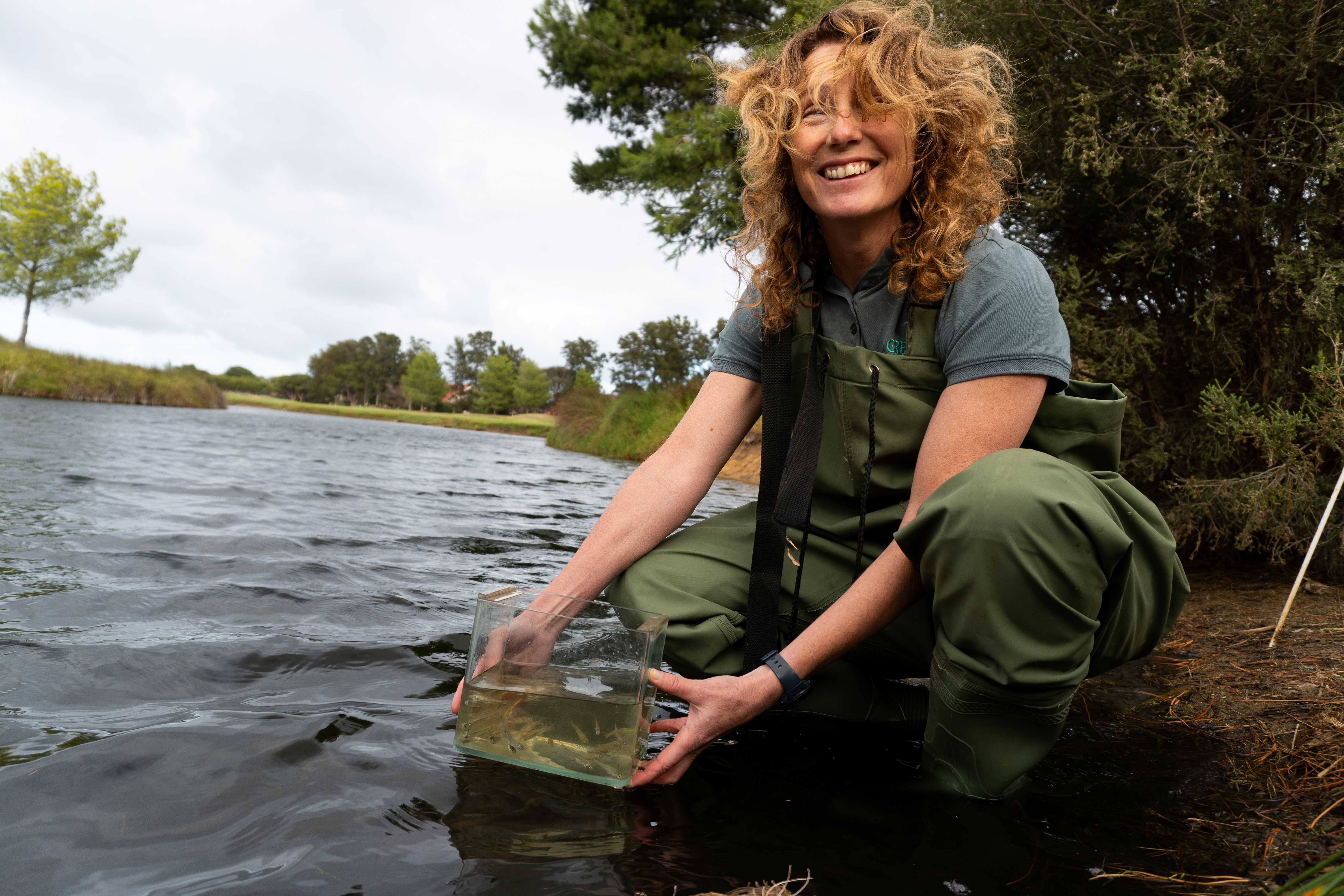
Nature Glenelg Trust Senior Aquatic Ecologist Dr Sylvia Zukowski, who has been closely monitoring the species, said the refuge site was key for safeguarding the fish.
“Murray hardyhead have suffered significant declines across their range,” Dr Zukowski said.
“In the Lower Lakes, the population was decimated during the Millenium Drought, and we, together with the Big Little Fish project group, have been working hard to build up numbers in surrogate wetlands and undertake releases back to their former wild sites.
“The golf course will provide a secure surrogate wetland where we can safeguard this species and breed up numbers for future wild releases.
“Now, we can have confidence that even if this species faces more challenges into the future, we’ll have a valuable backup population.”
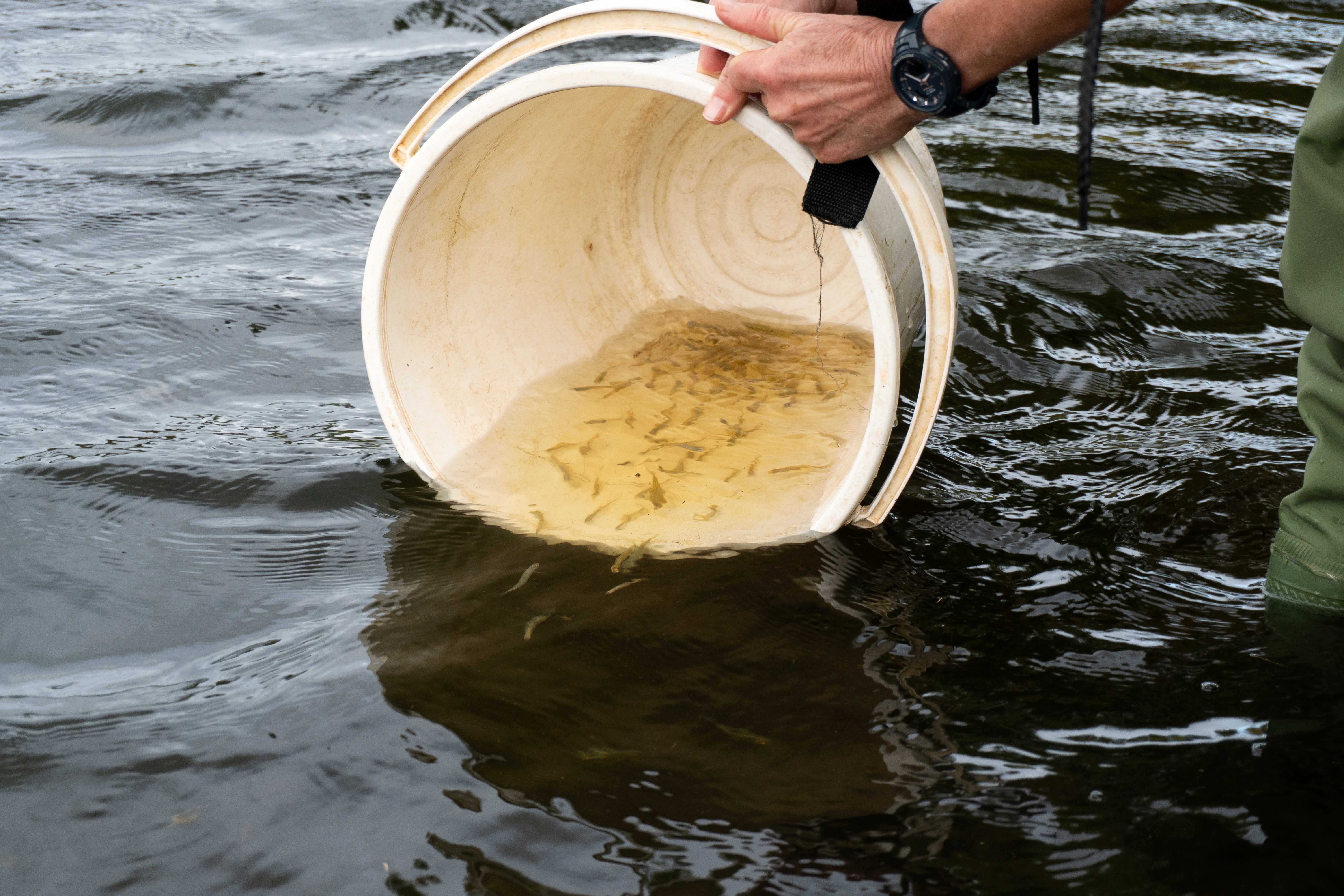
Glenelg Golf Course has worked closely with ecologists to prepare the wetland, ensuring it meets the species’ particular needs.
Glenelg Golf Club Course Superintendent Tim Warren is proud that the course can once again provide a safe home for vulnerable species.
“Just as we take pride in maintaining pristine greens and fairways, we’re committed to nurturing the wetlands that make Glenelg such a distinctive golfing experience,” Mr Warren said.
“The wetlands around our course are diverse, with the particular location for these Murray hardyhead fish offering a higher level of salinity that is preferred by this species.
“Supporting the recovery of the Murray hardyhead is another step in ensuring our course remains not only a great place to play, but a leader in sustainable management.”
This threatened fish recovery initiative follows a recent introduction of olive perchlet to South Australia at the same golf course.
The introduction also forms part of a broader Big Little Fish project, which is committed to conserving threatened and vulnerable native fish across South Australia, supported by Green Adelaide, Murraylands and Riverland Landscape Board, Hills and Fleurieu Landscape Board, First Nations groups, and landholders.