The days are getting hotter, the days are getting longer, which means one thing only; more daylight to take part in our seasonal frog census.
Join citizen scientists right across the state and participate in FrogWatch SA’s summer census from 1 to 8 December.
We have some very exciting news to report from our last census, recording a first for FrogWatch in its 30-year history.
FrogWatch coordinator Steve Walker knows a thing or two about frogs, but even he was able to tick a call off the bucket list.
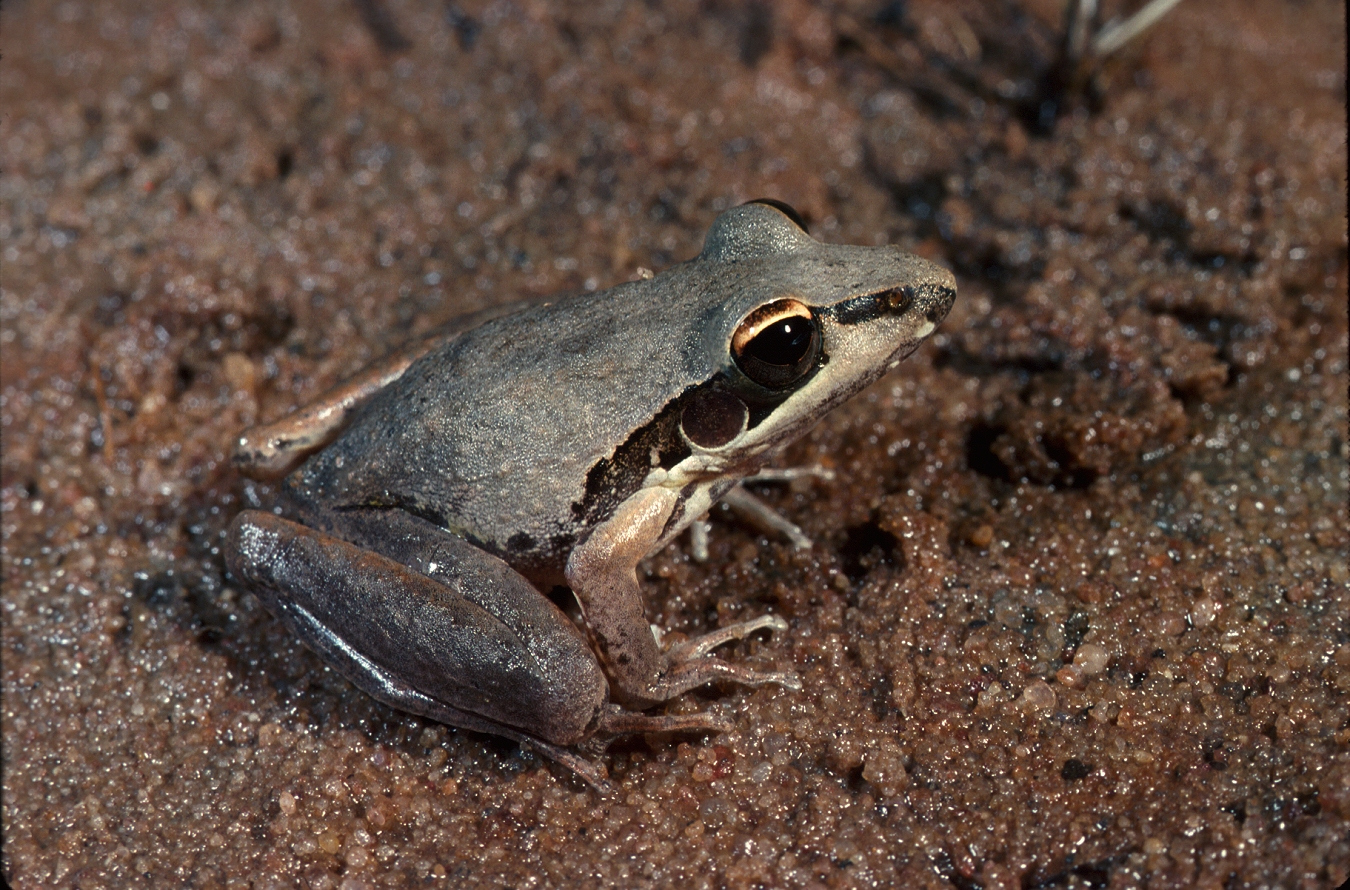
“For the first time in the FrogWatch program, two recordings of the broad-palmed rocket frog were captured at Strzelecki Crossing,” Mr Walker said.
“Now, this species is listed as common in South Australia, but there is a bit of a caveat as to why we’ve waited 30 years to hear it.
“It lives in the far north-east of the state, where not a lot of people live. While it isn’t a very well populated area, frogs, on the other hand, love it.
“As long as the frogs have access to billabongs (which they do up there), they’ll be happy as Larry,” Mr Walker said.
These frogs are about 4.5 cm in length and are characterised by a pointed snout and broad head.
Now that you know what to look for, we’d love to hear another one. We understand this might not be the most accessible frog for most South Australians, but don’t fear, there are plenty of other frogs to keep an eye, or an ear, out for.
In the Greater Adelaide region, you’d be most likely to see or hear frogs such as the eastern banjo frog and the spotted marsh frog. The former is famous for its ‘bonk’ call, just like a banjo being plucked, while the latter has a distinctive ‘tok tok tok tok’ or ‘uk uku k uk’ call, like a toy machine gun.
The importance of citizen science in protecting our frogs
We definitely have fun when promoting FrogWatch (because how could we not?), and the seasonal censuses provides valuable information to help protect our croaky friends.
The submissions inform state species listing assessments for frogs. This enables experts determine whether a species is thriving or struggling and in need a little help.
Eighty-three per cent of frog data comes from citizen scientists, so we want your help.
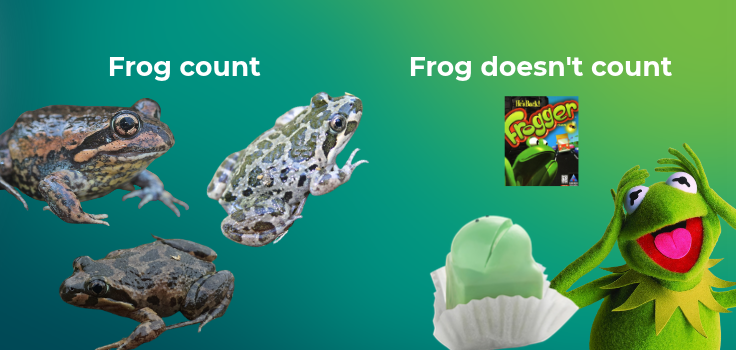
Frog count and frog doesn’t count
So, we want to hear any and all frog sightings and calls. Well, almost all.
Below is a comprehensive list of what we don’t need to know about, just so there’s no confusion:
- Frog cake
- Freddo frogs
- The Frog Prince
- A frog in your throat
- Tawny frogmouth
- Kermit the frog
- Red Frog confectionery products
Uploading frog calls
Uploading frog calls is as simple as the click of a button. Okay. Maybe a couple of clicks of a button.
Your best bet is to download the FrogSpotter app, create an account, pick a location, record the frog call and then if you’re really advanced… tell us what frog you think it is! Don’t worry if you don’t know, though, because FrogWatch’s frog nerds will!
For a more detailed guide on how to use the FrogSpotter app check out this helpful video.
You can also upload calls directly to FrogWatch SA.
Missed the census dates? No problem, FrogWatch accepts recordings all year round!
While you’re at it if you spot or have spotted a frog in a strange place, we want to hear about it on socials, send us a message.
The FrogWatch Summer Census runs from 1 to 8 December.