The small but mighty copper‑wire daisy (Panaetia muelleri) is making a quiet comeback along Adelaide’s southern coastline, but you’ll need sharp eyes to spot it.
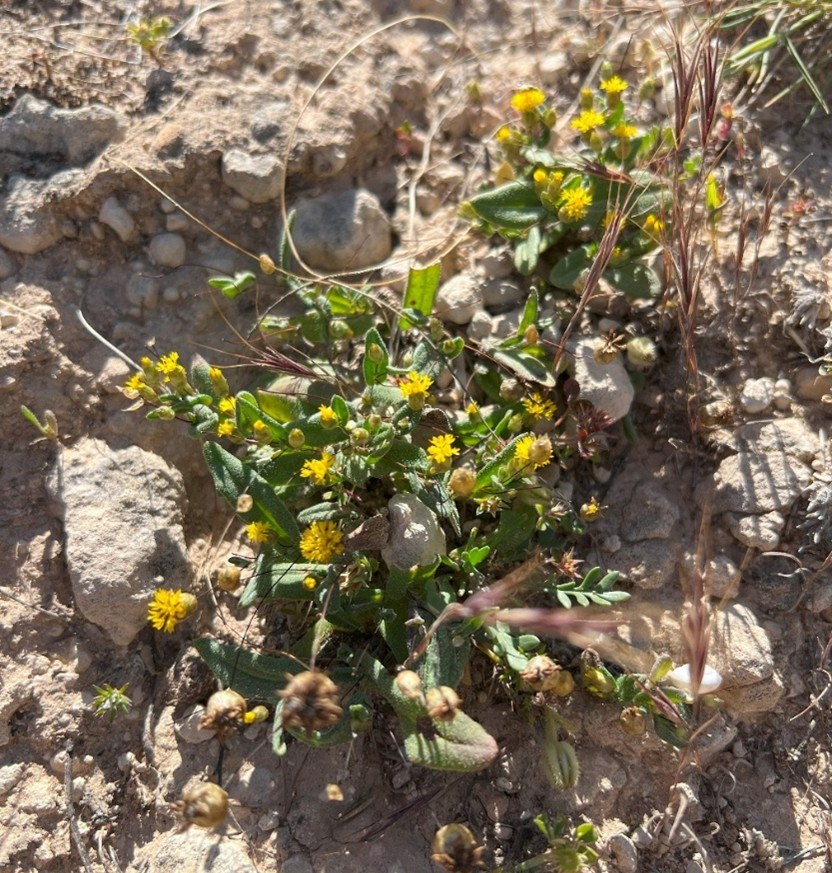
Once common from Brighton to Sellicks Beach, this small coastal daisy has unfortunately been declining across Adelaide’s coastline and is considered very rare in the area.
But, thanks to good winter rains last season and dedicated seed conservation work it’s beginning to reappear in places it hasn’t been seen for decades.
Find out how this rare daisy is set for a comeback along our coast.
What is the copper‑wire daisy?
The copper‑wire daisy (Panaetia muelleri) is a small coastal daisy, no more than 22 cm tall, that emerges only when seasonal conditions are just right.
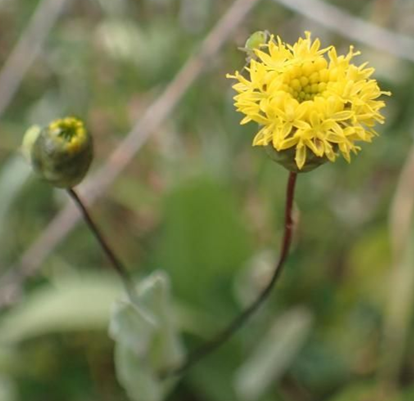
It has reddish, wiry stems which are sometimes covered in soft hairs. The leaves along its stem are long and narrow. Between August and October, the copper-wire daisy presents pale yellow to yellow flower heads which are made up of many tiny florets.
Why did it decline?
Unfortunately, the daisy’s habitat has been heavily altered. Coastal development, trampling, weed invasion, and changes to dunes have all contributed to its decline.
By the 2000s, it was only known to appear in a small area around Aldinga and Sellicks Beach, and even then, only in years with good rainfall.
It needs good winter rainfall to germinate, flower, and set seed.
For a plant that spends most of its life as a seed in the soil, fewer plants each year meant fewer seeds, and a shrinking future.
A surprising resurgence after winter rains
Winter of 2025 brought good rainfall, and with it, an unexpected discovery, copper‑wire daisies were found at more sites along the coast between Aldinga and Sellicks Beach than had been recorded in years!
This germination provided a rare opportunity.
The SA Seed Conservation Centre quickly stepped in, collecting high‑quality seed while populations were abundant. These collections have now become the backbone of new restoration efforts.
Helping a tiny species return
Seeds from the SA Seed Conservation Centre are now being used to reintroduce the daisy to other parts of the Adelaide coastline.
These projects are helping rebuild the species’ footprint, one handful of seed at a time.
A new trial at Kingston Park
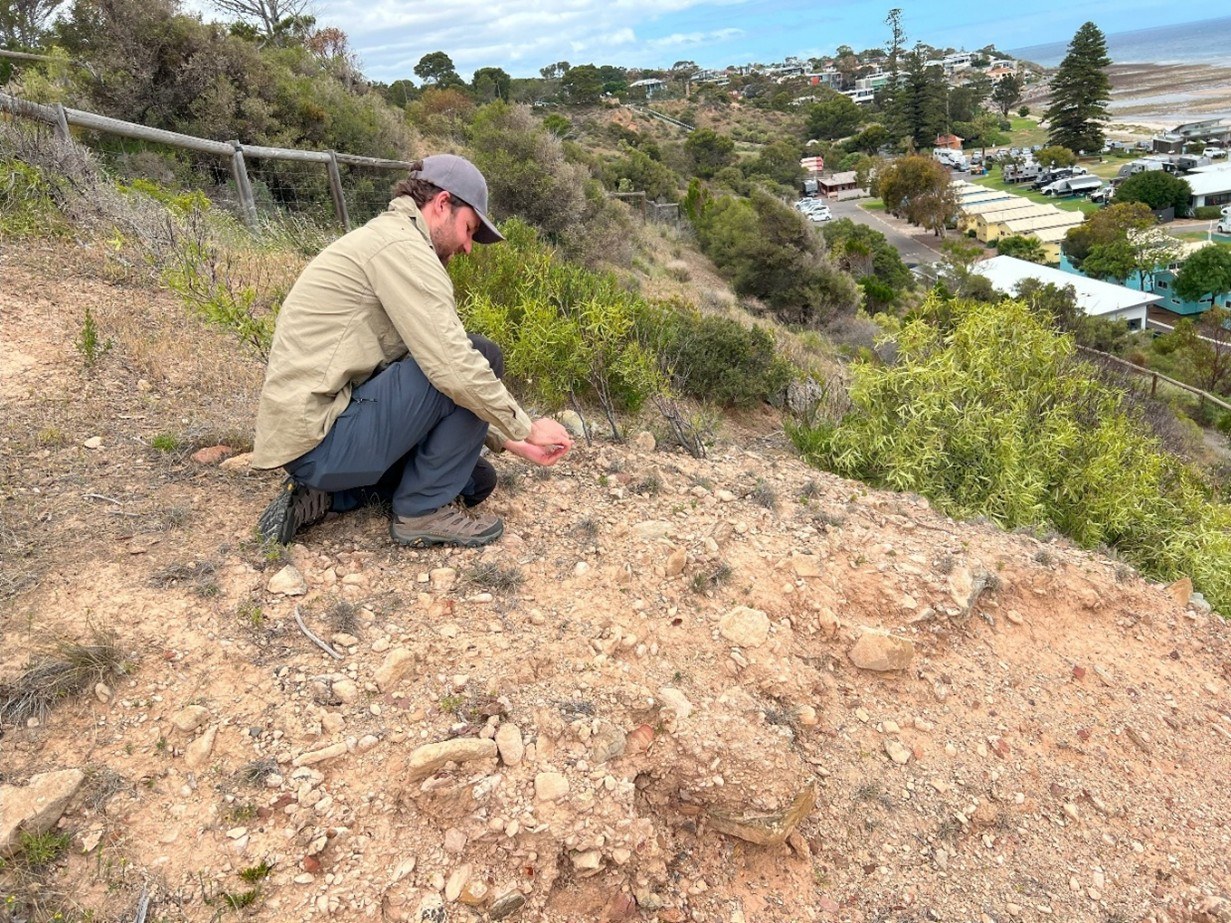
A promising new trial recently occurred Kingston Park Coastal Reserve. For this trial, seeds were sown directly into the cliffs ahead of winter.
Researchers wanted to know if the species could germinate reliably from direct seeding when winter rains arrived.
And, if the answer was yes, direct seeding could become a cost‑effective, scalable method for restoring the copper‑wire daisy across more of its former range.
The results are in
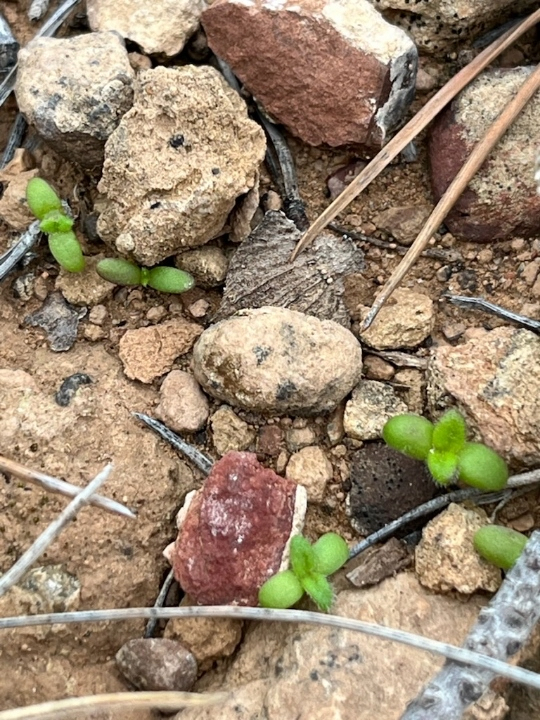
Following heavy rainfall in late April, little seedings have begun to appear!
This is a significant success for the small copper-wire daisy, and will mean there is an effective way to boost populations of this rare native plant.
Our ecologists are keeping a close eye on how the daisies are going, and hoping that this winter will bring about more opportunities to collect seed from this rare species.
Want to check out the daisy for yourself?
For the very keen observers, the copper‑wire daisy is easiest to find between August and October, but even then, you’ll need to look closely.
Its small stature and short life cycle mean it can be easily missed, even when flowering.
But for those who do spot it, it’s a reminder that even the smallest native plants play an important role in our coastal ecosystems.
Why projects like this matter
Restoring species such as the copper‑wire daisy helps build biodiversity back into our coastline.
Each species contributes to a healthier, more resilient urban environment.
Thanks to the combined efforts of scientists, volunteers, and community groups, this rare species is coming up fresh as a daisy!