Light pollution doesn’t just dim our night sky and block our view of the stars – it harms our native animals too. Affecting everything from feeding to breeding, artificial lights disrupt natural night-time behaviours – and can even impact us humans too. Read on to find out about more, including what you can do to help.
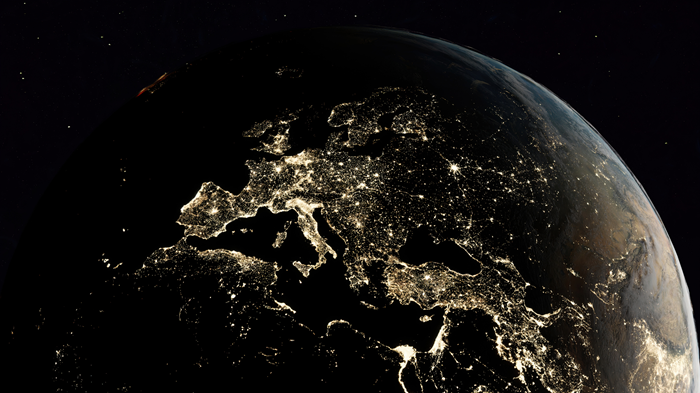
We’ve all driven out of the city and marvelled at the sea of stars we can see once the streetlights, stop lights and house lights have faded away. But artificial lights do more than block our view of starry skies – they disrupt the signals animals use to feed, breed, migrate and survive, add dollars to our electricity bills, contribute to climate change, impact cultural connections with the sky, and can even affect our sleep.
Find out how some small changes in your backyard can be part of the solution – and what’s in it for you (if we haven’t sold it to you already!).
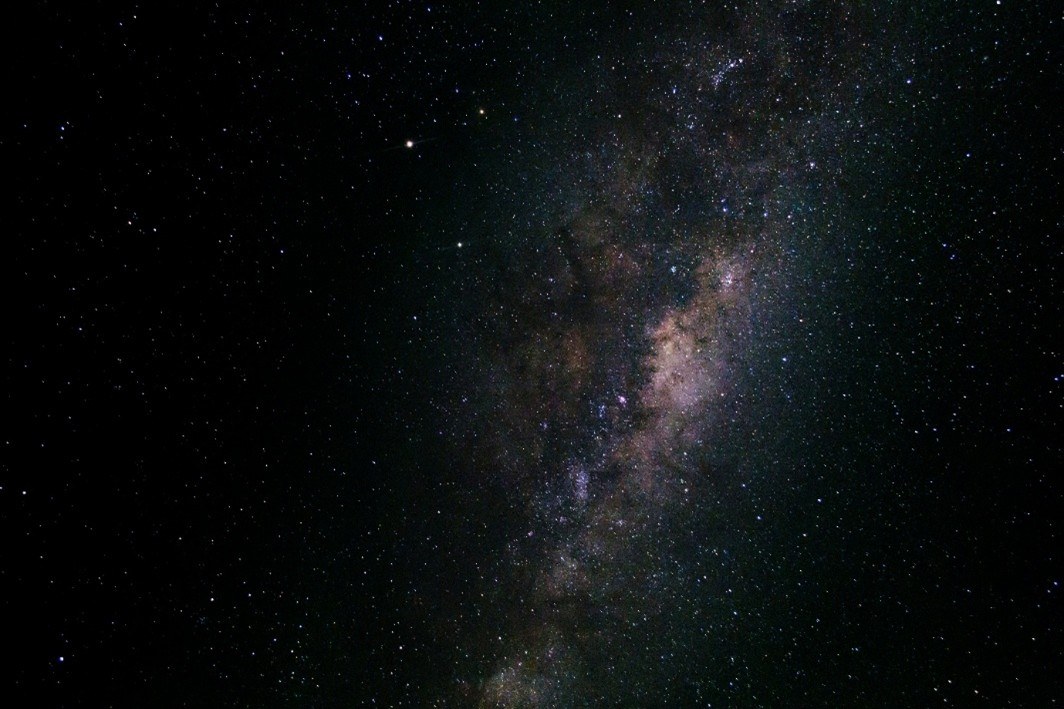
What is meant by light pollution?
Light pollution is where artificial light brightens the night sky in unwanted, unnecessary, excessive or misdirected ways. Many species – including humans – are impacted by light pollution and the impacts are being felt worldwide.
About 85 per cent of Australians live under light-polluted skies. As Dr Sheryn Pitman says, “We’re experiencing a worldwide disappearance of the night sky”.
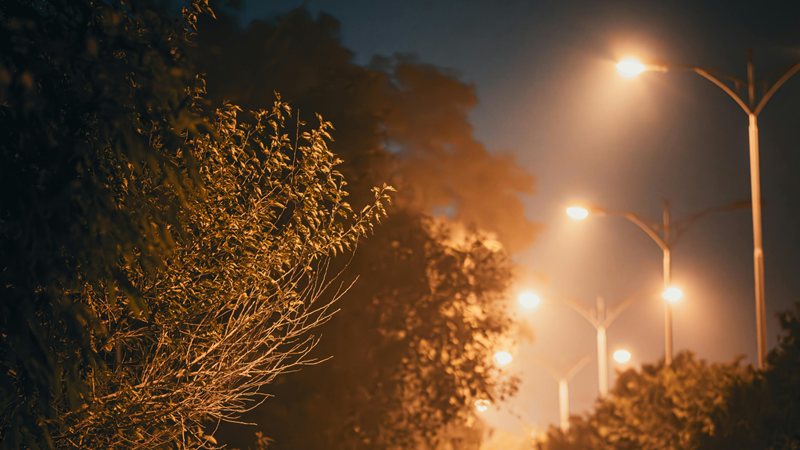
Most residential light pollution comes from lights that are poorly positioned (such as going upwards and outwards more than necessary), overly bright bulbs, and lights left on all night. The worst offenders are bright, white floodlights and decorative lighting pointing up into trees.
Here’s what makes up light pollution:
- Glare – excessive brightness that causes visual discomfort.
- Skyglow – brightening of the night sky over inhabited areas (think: city lights in general).
- Light trespass – light falling where it is not intended or needed (like when your neighbour’s front light ruins your mood lighting).
- Clutter – bright, confusing and excessive groupings of light sources.
Most people have probably experienced light trespassing through their bedroom window. It’s annoying when you’re trying to sleep but now imagine you’re an animal that lives outside and relies on darkness to survive.
The good news is though that unlike other pollution, light pollution can be reduced – maybe even eliminated – with simple tweaks to how we light our homes and yards.
How light pollution could be impacting you
Can you see the stars and planets from your home? It might be so normal that you haven’t even noticed but if the answer is no, there’s light pollution where you live.
But there are many other consequences too. Light pollution generates heat, warming up our already toasty state, and the wasted energy contributes to climate change.
And, according to National Geographic, it can impact your health – for example, by reducing your ability to produce melatonin, making it harder to go to sleep, which then causes tiredness, headaches and anxiety.
DarkSky International says there are other potential health impacts too, but we’ll leave that to the health experts to unpack.
Ultimately, humans are just like any other species, with our biological clocks linked to the natural cycle of light and dark.
How does light pollution impact wildlife?
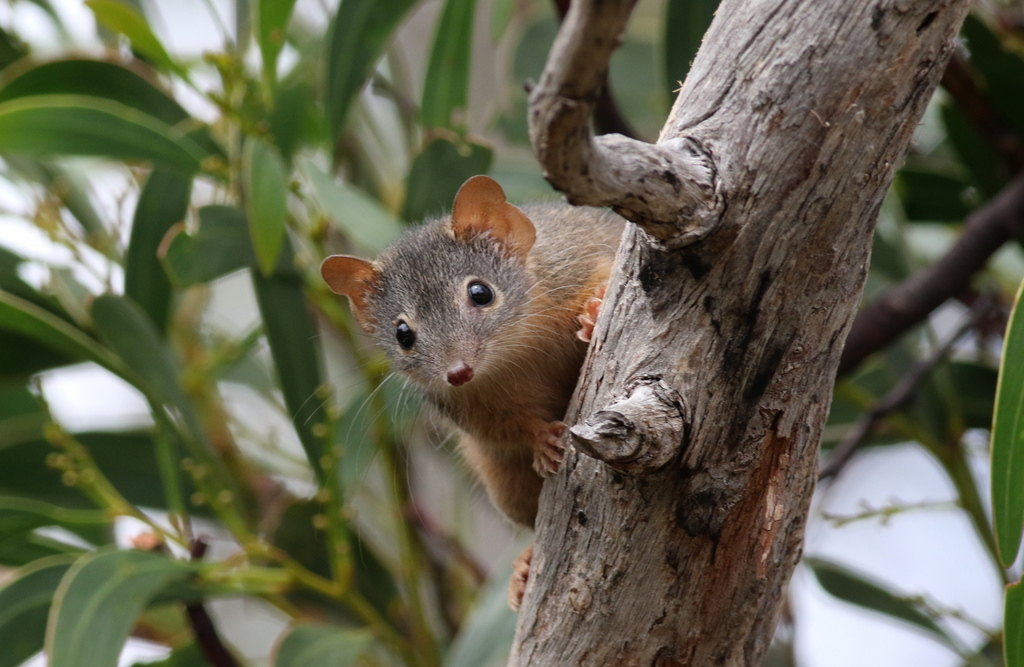
Almost every animal is impacted by light pollution – and in lots of different ways. From reproduction to sleep and safety from predators, these impacts can be negative or downright deadly.
Many native mammals rely on dark places to be able to move between homes and food sources and hide from the things that want to eat them.
For those creatures that sleep during the day and go about their business at night, you can imagine why it’s a problem. This is the case for most Australian mammals and frogs, and some birds and reptiles too.
Then there are animals that are guided by the moonlight – like sea turtles and birds. It can mean they don’t find their way at all.
Sudden changes in lighting can temporarily disorientate mammals, even blinding them completely. And, of course, bright lights can cause them to collide with buildings too.
Light pollution can even change some hormone levels in animals, directly impacting the number of babies they have and the health of those offspring. It can affect their melatonin and even weaken their immune systems!
The impact on animals can have a flow-on effect on plants too – lights can attract insects towards them and away from the flowers they would otherwise pollinate, can change the times when they produce flowers or fruits, or change the whole plant shape.
So, from bandicoots and possums to wallabies and microbats – to owls and tawny frogmouths to insects and zooplankton in the sea – the impacts of light pollution are far-reaching. But the good news is that there are easy ways to reduce it.

6 easy ways to reduce light pollution at home
In line with the National Light Pollution Guidelines for Wildlife, the best-practice principles for lighting to protect wildlife are:
- Start with natural darkness and only add light for specific purposes.
- Use adaptive controls – such as dimmers, apps or sensors – to manage timing, intensity and light colours.
- Light only the areas you really need and stop excess light from spilling upwards and outwards into habitat places.
- Use low-intensity lighting (under 3000K – more on that below) and keep it close to the ground.
- Avoid cold white lights – choose warm amber (low-colour temperature or CCT) lighting with little or no blue wavelength*.
*What lights should you get for your home?
Getting the right lights sounds complicated but with a little bit of background knowledge, it’s really not that tricky.
You have no doubt heard of LEDs – these are the most common lighting of our time, even though they’re a relatively new development.
And although they are great for energy efficiency, they emit a short waveform blue light. You’ve probably heard about this light in relation to your phone or computer, so you can already imagine how it might be bad.
LED lights are colder and brighter than the type of lighting we used to use (which was warmer and more yellow). This relatively recent shift to LEDs has changed the night all over the world by increasing the intensity of lighting, extending its reach much further than before.
All light has a correlated colour temperature (CCT), which is measured in Kelvin (K). The higher the Kelvin, the bluer the light it emits – these lights tend to be in the 6500 K range.
Low CCT refers to warm lights, so red, yellow and orange, and everything in between.
The good news is you can still get an energy-efficient LED, you’ll just need to be a bit savvier when making your selection. Ideally, look for a light that is 2700 K.
For both human health and wildlife, it’s recommended that lights should be no more than 3000 kelvins (K). These are the warm or amber colour lights.
Be careful though – sometimes a light globe looks the right colour but just has a tint or wrapper making it appear warm when the Kelvin is still too high!
Keep in mind, to help wildlife, you’ll want to change the lights outdoors when you change the indoor ones. And don’t be surprised when you start to notice that the streetlights and other outdoor lights are much higher than they should or need to be.
Bonus tips to level up and help wildlife even more
- Drive safely at night in areas where wildlife is known to be present, to avoid sudden impacts from your headlights and collisions.
- Protect or add trees and plants to your home to give wildlife more dark patches of vegetation to hide in and move between.
- Don’t light up water bodies or planted areas, including trees, unless you really need to.
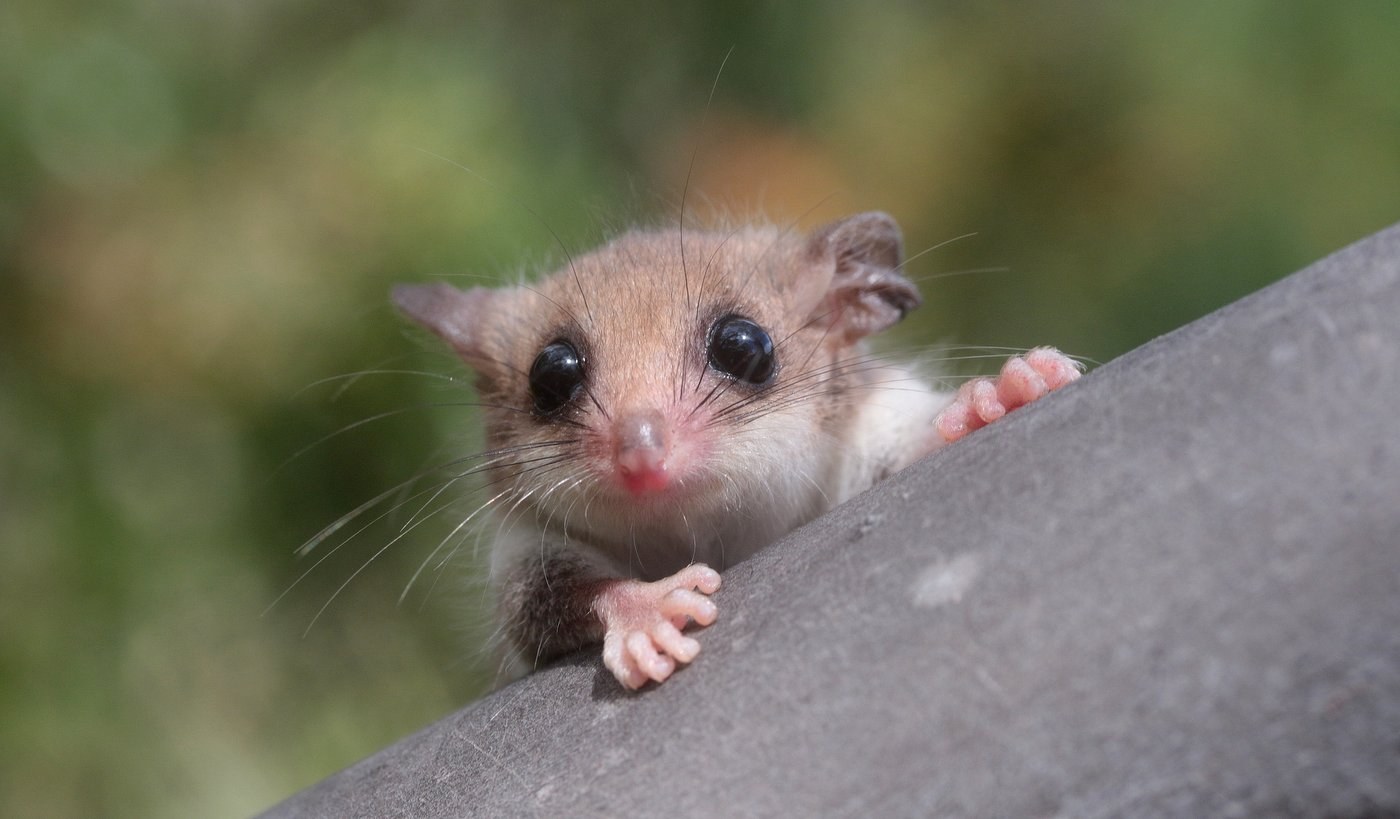
Learn more about the impacts of light pollution
Hear from Green Adelaide’s Dr Sheryn Pitman and City of Salisbury’s Michael Pavlovich on the state of light pollution and the impacts it’s having in Adelaide and beyond.
Hero image: LIFE_DRIVER, Pixabay via Canva.