Creating a garden from scratch or sprucing up your existing space? Check out our list of common trees for Adelaide gardens, with native and exotic options to pick from.
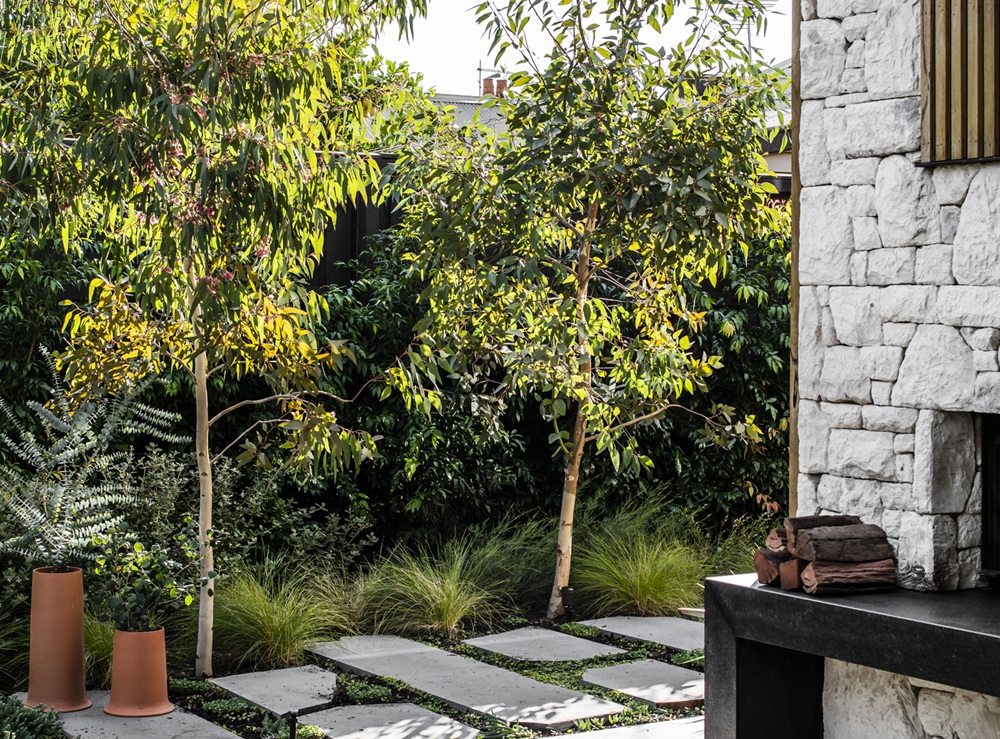
Small trees
These are the best trees for house blocks that are at least 200 m2 big – of course, you’ll need to consider the size of your house and any sheds, etc, too.
These trees grow to a minimum of 2 m wide (the leaves and the branches, not the trunk!) and will need at least 10 m2 of soil area. You can calculate the area (m2) by multiplying length by width of your available space.
Australian native
| Name | Size | Description |
|---|---|---|
| Cottonwood (Hibiscus tiliaceus rubra) | H: 4–6 m W: 4 m | Hardy tropical tree with a broad low crown, large heart-shaped leaves and bright sunny yellow flowers. Tolerates full sun, to partial shade and most soil types, including clay and salt. |
| Pink blueberry ash (Elaeocarpus reticulatus ‘Prima Donna’) | H: 6 m W: 4 m | This evergreen, slender tree with dense foliage is an excellent choice for screens between properties. In late spring masses of blush-coloured flowers cover the tree, followed by bright blue fruits. |
| Silver banksia (Banksia marginata) | H: 5m W: 3m | An Australian native evergreen tree with a dense growth habit. The large, yellow, cylinder shaped flowers are a stunning feature from spring to autumn and attract natives birds and insects. Locally native to Adelaide. |
| Willow peppermint (Agonis flexuosa ‘After Dark’) | H: 3–6 m W: 3 m | An Australian native evergreen tree with a weeping habit and very dark purple foliage. Prefers well drained soil in a sunny position and tolerates coastal conditions well. |
| Dwarf SA blue gum (Eucalyptus leucoxylon ‘Euky Dwarf’) | H: 5–6 m W: 3–5 m | A popular dwarf form of Eucalypt with a single trunk, smooth bark that sheds in flakes and pink, red or cream flowers from late autumn to early summer. |
| Sweet bursaria or Christmas bush (Bursaria spinosa) | H: 2–4 m W: 1–3 m | A small tree/large shrub with showy, creamy-white flowers around Christmas time. A great screen or hedge, thanks to its prickly branches. Attracts birds and butterflies, and grows well in a variety of soils except coastal sand. |
| Dryland tea tree (Melaleuca lanceolata) | H: 3–8 m W: 3–5 m | A hardy but relatively small tree that works well as a windbreak or screen. Attracts pollinators and will tolerate a coastal location. |
| Elegant wattle (Acacia victoriae) | H: 2–5 m W: 2–5 m | A dome-shaped, slow-growing tree with cream or yellow flowers. Likes well-drained soils and full sun but doesn’t need much water. Attracts pollinators, such as native birds and butterflies. |
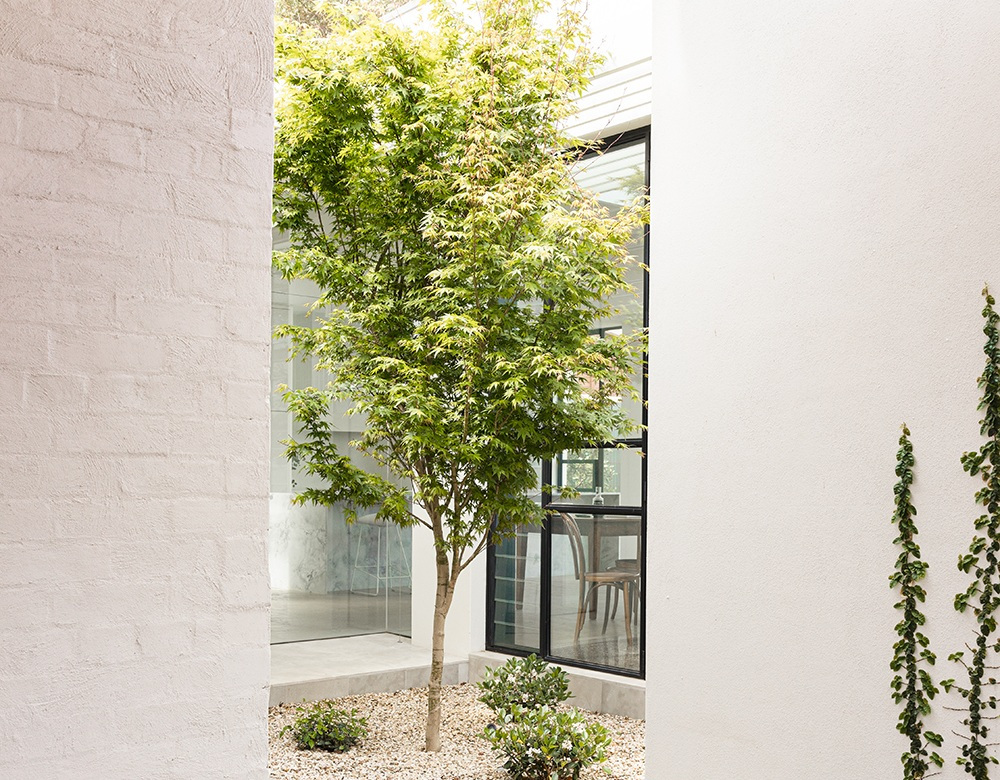
Exotic
| Name | Size | Description |
|---|---|---|
| Lemon (Citrus limon ‘Eureka’) | H: 4–6 m W: 4–6 m | Hardy tropical tree with a broad low crown, large heart-shaped leaves and bright sunny yellow flowers. Tolerates full sun, to partial shade and most soil types, including clay and salt. |
| Crepe myrtle (Lagerstroemia indica) | H: 5–6 m W: 4–5 m | A deciduous, vase shaped, deciduous tree. Choice of white, pink and purple blooms that appear in late summer. Year round interest with autumn colour, bright showy flowers and smooth, mottled bark. |
| Magnolia ‘Little Gem’ (Magnolia grandiflora) | H: 4–8 m W: 2–5 m | An evergreen magnolia with an oval form. The dark glossy leaves have attractive bronze undersides and the large, fragrant, creamy white flowers are prolific in summer. Needs to be protected from hot northerly winds. |
| Chinese Redbud (Cercis chinensis) | H: 5 m W: 5 m | Deciduous tree with a vase shaped canopy of attractive heart-shaped green leaves. Groups of pink-purple flowers form in abundant groups in spring. Suited to most soil types and will tolerate heavy soils and hot, dry periods. |
| Ornamental Plum (Prunus cerasifera) | H: 6 m W: 2–6 m | Hardy and adaptable deciduous tree with attractive autumn foliage and showy spring blossoms. Popular cultivars include the ‘Oakville Crimson Spire’, a good choice when lateral space is restricted, and the ‘Nigra’ which has a broader, rounded canopy. |
Medium trees
These trees need 30 m2 of soil area and will spread to a minimum of 4 m wide. They’re best for block sizes of between 450 and 800 m2. Of course, these will also be fine for bigger block sizes too!
Australian native
| Name | Size | Description |
|---|---|---|
| Willow Myrtle (Agonis flexuosa) | H: 6–10 m W: 5–10 m | An Australian native attractive tree with a weeping habit. Clusters of small white flowers grow on the branches in between the leaves in spring and summer. |
| Wilga (Geijera parviflora) | H: 9 m W: 8 m | Hardy Australian native, evergreen tree tolerant to a wide range of soil and climate regions. Well-drained soils will result in taller and longer lived examples. Best grown in full sun. Pruning when young is recommended to achieve a neat shape as it matures. |
| Native Frangipani (Hymenosporum flavum) | H: 6–8 m W: 5–6 m | A rainforest tree, native to Queensland and NSW with large glossy leaves and highly fragrant cream and yellow flowers. Prefers a well drained, nutritious soil and full sun for optimal growth and flowering, but will tolerate most soil types and part-shade. |
| Tuckeroo (Cupaniopsis anacardioides) | H: 8 m W: 7 m | An Australian native feature tree with evergreen foliage. Its rounded form and consistent shape makes it suitable for a range of styles of garden and home. Hardy and suitable to all soil types, even clay. |
| Old Man Banksia (Banksia serrata) | H: 10 m W: 5 m | A distinctive, bird attractive tree with cork-like bark and a rounded, gnarly form. It produces silvery grey flower spikes and cones. This tree likes a well-drained sandy soil making it a good selection for coastal conditions. |
Exotic
| Name | Size | Description |
|---|---|---|
| Loquat (Eriobotrya japonica) | H: 7–10 m W: 6 m | Evergreen tree with a rounded crown, short trunk and dark leathery leaves. White flowers appear in late autumn and winter followed by the yellow-orange sweet fruit in early spring. Prefers a position in full sun, protected from strong winds. |
| Chinese Pistachio (Pistacia chinensis) | H: 8 m W: 6 m | A highly ornamental deciduous tree suitable for a wide range of climate and soil regions. Vibrant autumn colour in shades of orange, yellow and red. Some trimming may be required if located under powerlines. |
| Ornamental Pear (Pyrus calleryana species) | H: 9 m W: 7 m | A popular tree due to its wide shady canopy, vibrant autumn colour and white spring blossoms. Small fruits follow the flowers that attract birds and wildlife. Prefers rich, well drained soil and watering during heat waves. |
| Maidenhair Tree (Ginkgo biloba) | H: 12 m W: 5 m | Very slow growing and long-lived deciduous tree with an upright and elegant habit. A fantastic feature tree. Can grow in almost any position, but prefers moist, deep, fertile soil and full sun to part-shade. |
| Golden Rain Tree (Koelreuteria paniculatum) | H: 6 m W: 4 m | Elegant, deciduous tree with a slightly weeping, round form once mature. The serrated green foliage turns bronze to gold in autumn. Will grow best in full sun, relatively drought-tolerant and will perform well in most soil types. |
Large trees
These are best suited to big yards. They’ll grow to a minimum of 8 m wide and need 60 m2 in soil area. Of course, you can still plant smaller plants under then but you wouldn’t want to put them up against an existing concrete structure.
These are best suited to block sizes of 0800 m2 and above.
Australian native
| Name | Size | Description |
|---|---|---|
| Pink Gum (Eucalyptus fasciculosa) | H: <15 m W: <12 m | A large eucalypt with an open canopy and single trunk. It has prolonged flowering periods throughout the year. Indigenous to the Adelaide region. May only be stocked at nurseries specialising in natives. |
| Blackwood (Acacia melanoxylon) | H: <20 m W: <10 m | Long lived and does not shed limbs as frequently as some eucalypts and other acacias. Attracts birds, native butterflies and insects. Requires 3.5m clearance from sewer mains and connections. |
| Apple Myrtle (Angophora costata) | H: 10–20m W: 6-12m | An upright, fast growing tree native to Queensland and NSW. Attractive smooth pink new growth bark and clusters of white gum blossoms. Requires 3.5m clearance from sewer mains and connections. |
| Peppermint Box (Eucalyptus odorata) | H: <20 m W: <15 m | An SA native shade and shelter tree with an open and spreading form. Attracts nectar eating birds and insects for food and habitat. |
| Coast Banksia (Banksia integrifolia) | H: <20 m W: <10 m | A large banksia native to eastern Australia and highly tolerant of full coastal conditions. It is hardy and fast growing. Requires 2m clearance from sewer mains and connections. |
Exotic
| Name | Size | Description |
|---|---|---|
| Norway Maple (Acer platanoides) | H: <20 m W: <10 m | An upright, deciduous tree with a broad, round crown. Leaves change from green to vibrant orange-yellow before dropping in winter. Prefers soil rich in organic materials, though will grow in most soil conditions, even compacted soils. |
| Holm Oak (Quercus ilex) | H: 20 m W: 15 m | This evergreen, Mediterranean oak will thrive in Adelaide’s dry climate. The dense canopy is formed of leathery dark-green leaves. Can be trimmed to constrict size. Prefers rich and moist fertile soil. Salt and drought tolerant once established. |
| Cimmaron Ash (Fraxinus pennsylvanica) | H: 13 m W: 8 m | A robust deciduous tree with neat upright branch structure and attractive autumn foliage. Performs best in a sunny position in moist, well-drained soil. Can tolerate high wind and low levels of drought once established. |
| Chinese Elm (Ulmus parvifolia ‘Todd’) | H: <15 m W: 11 m | An upright semi-deciduous tree with a pendular spreading habit and bright green serrated leaves. Provides great broad summer shade and tolerates most soil types in a sunny position. |
| Japanese Elm (Zelkova serrata) | H: 14 m W: 10 m | A fast-growing deciduous tree with a uniform vase-shaped canopy. The dark green leaves turn to an array of colours ranging from soft yellows to orange and rusty reds in autumn. Prefers well drained soil in full sun. |
For more plant ideas for your Adelaide home, check out our gardening hub. Keep in mind that there may be power or sewerage regulations for some trees and shrubs, so be sure to do your research.
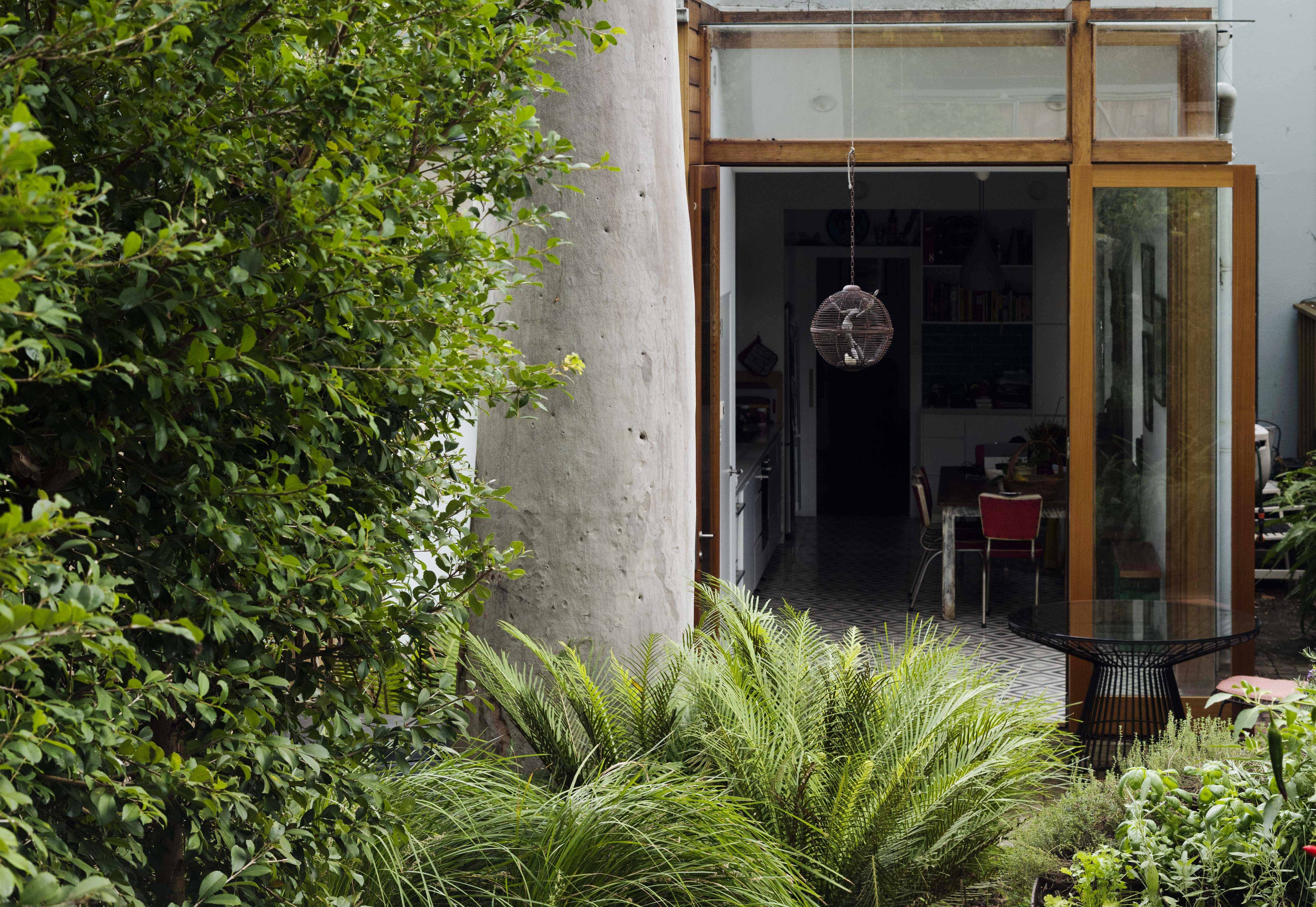
Main image: North Adelaide, Acre Studio, Johnathan VDK.